
 |
| Pic:Google-Face Book |
Nursing Uniform Reform
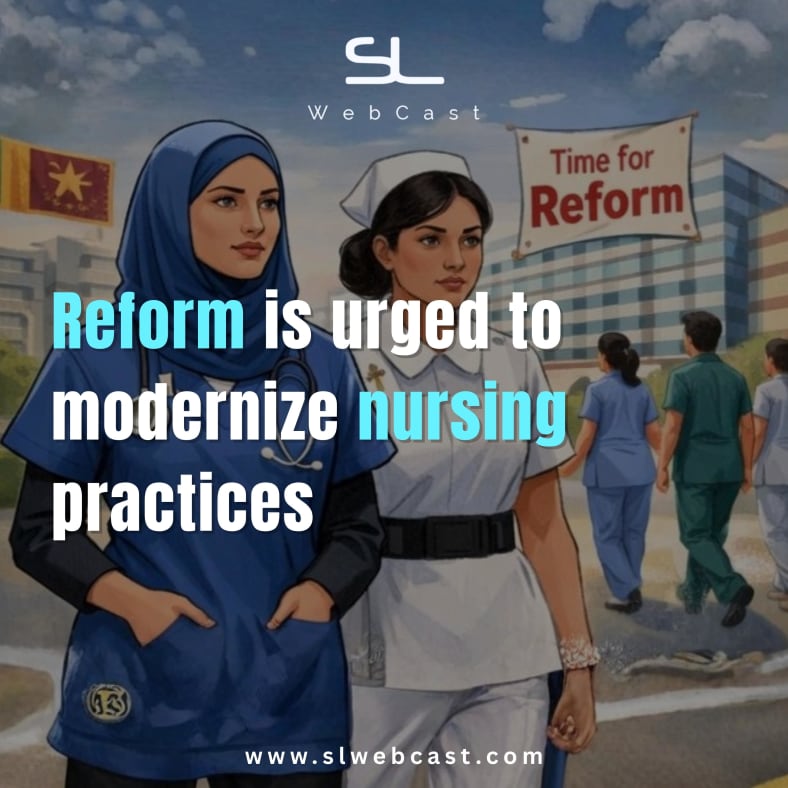
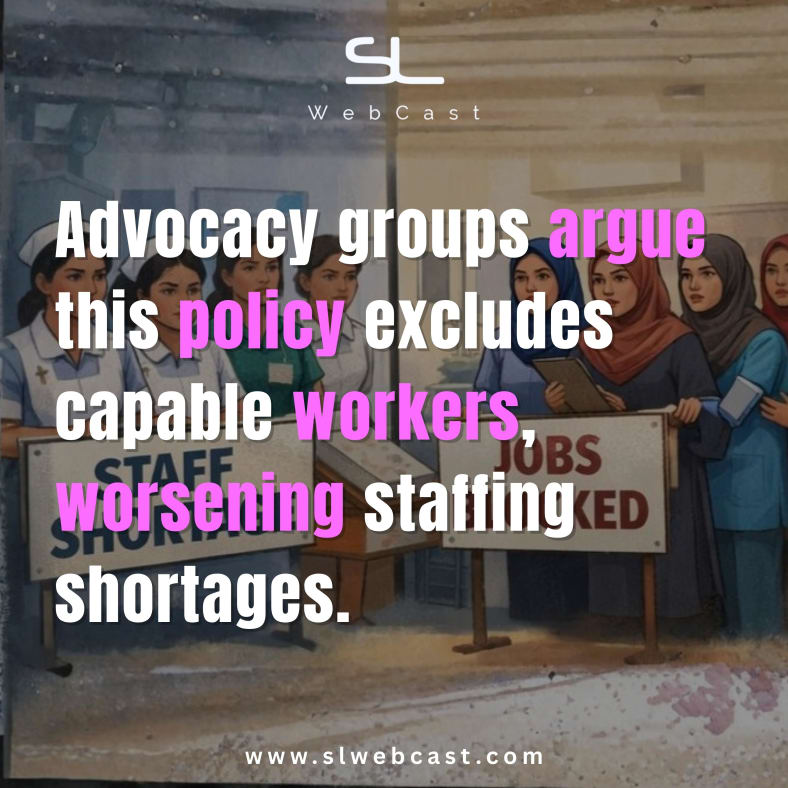
The debate over Sri Lanka’s nursing dress code has intensified as nurses, professional associations, and religious groups question whether the traditional uniform still reflects the needs of a modern healthcare system. The white frock with shoulder cross belts, apron, neck collar, black belt and cap with long socks and shoes- often described as “five pieces cloth” has remained unchanged since the colonial era, is increasingly criticized as outdated, impractical, and culturally restrictive particularly for Muslim female nurses who are wearing hijabs struggling to enter this profession. The number of Muslim female nurses are very low in Sri Lanka due to the restriction of wearing a head piece in to that uniform additionally.
Sri Lanka’s nursing uniform which was approved by SLNC, consisting of a five-piece set including a frock, apron, belt, collar, and cap, was introduced to mirror old British standards of discipline and neatness. While this attire once suited the slower-paced ward environment of the past, nurses argue that it no longer matches the realities of current clinical work. Many describe the uniform as physically limiting, making it difficult to bend, climb onto beds, or perform life-saving tasks such as CPR. Concerns have also been raised about the nursing cap, which is rarely washed due to its delicate structure, creating infection-control worries in high-risk units.






No comments:
Post a Comment