
Visualizing the international reach of U.S. funding cut by Trump
Using graphics to illustrate the scope of U.S. foreign aid spending and analyzing how the Trump administration’s sweeping cuts could play out across the world.
In a letter to lawmakers last week, Rubio cited “conflicting, overlapping, and duplicative” activities by USAID resulting in “discord in the foreign policy and foreign relations of the United States.”
“CLOSE IT DOWN,” Trump posted Friday on social media.
Without U.S. support, humanitarian experts warn that already precarious global aid efforts could collapse, putting millions of lives at risk. Some former government officials said the sudden changes would undercut U.S. foreign policy and national security.
“We are not only less safe, but we have abandoned people all over the world,” said Brittany Brown, a former USAID official.
On Wednesday, Trump’s former USAID counselor Chris Mulligan condemned the funding pause. “Every minute that assistance is frozen weakens America, makes us less secure and costs us jobs,” he said.
Here’s a breakdown of U.S. foreign assistance and a look at how the new administration’s sweeping cuts could play out across the world.
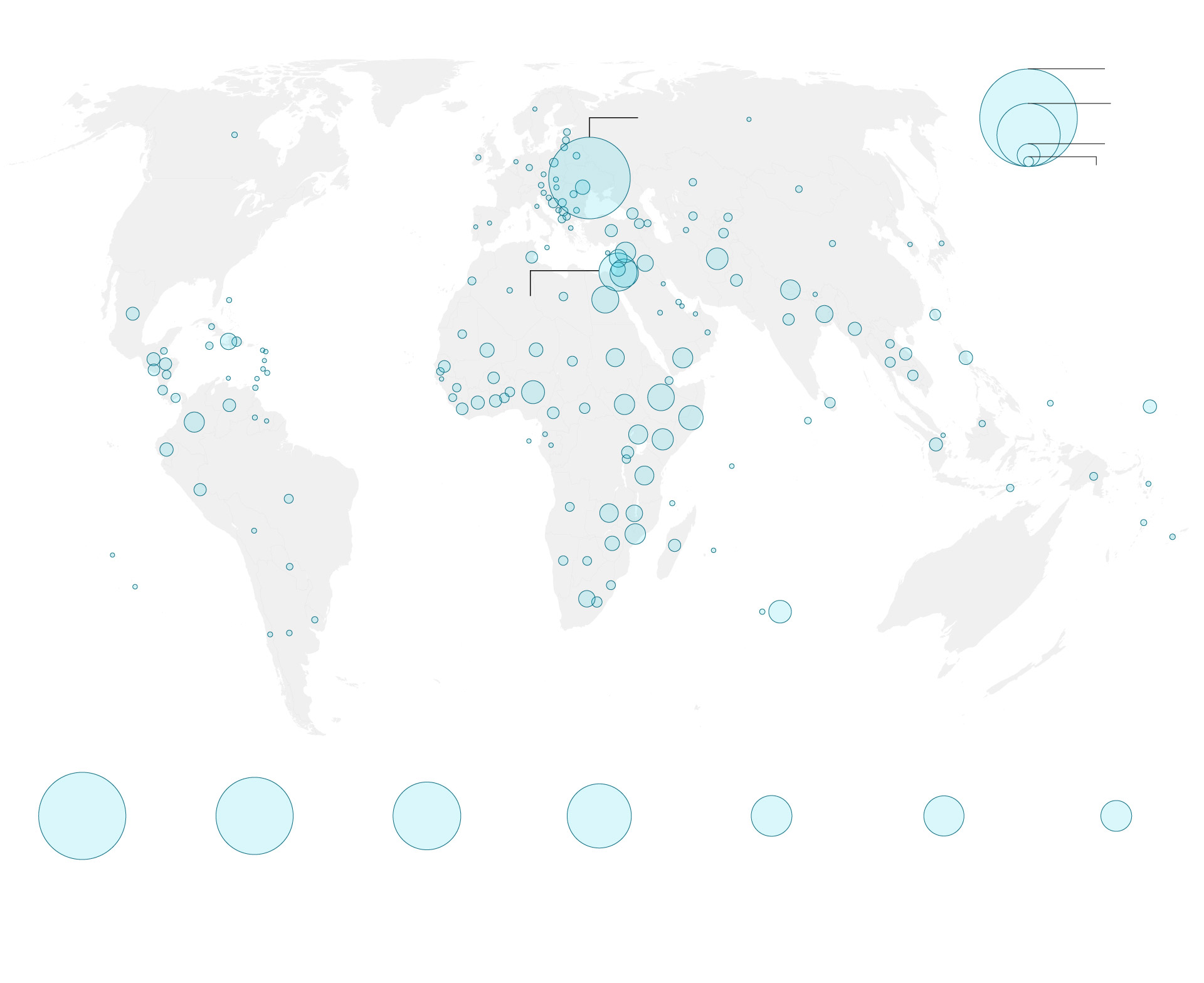
Foreign aid by country, 2023 FY
25B
10B
Ukraine
$17.2B
1B
100M
Israel
$3.3B
Foreign aid spending by region
Europe and
Eurasia
$20.2B
Sub-Saharan
Africa
15.7B
Worldwide
programs
15.7B
Middle East and
North Africa
10.6B
South and
Central Asia
3.9B
Western
Hemisphere
3.8B
East Asia
and Oceania
2.1B
The U.S. government is the world’s single largest humanitarian donor, according to the United Nations, though foreign assistance represented less than 1 percent of the congressional budget in fiscal 2023. That adds up to about $210 a year for the average taxpayer, compared with more than $2,800 per year for defense.
President Harry S. Truman introduced the country’s first major foreign aid package in the aftermath of World War II, arguing that strategic assistance could insulate states against the spread of communism. A decade later, President John F. Kennedy signed the Foreign Assistance Act into law and created USAID by executive order.
Key allies, such as Ukraine, Israel and Egypt, rely on U.S. funding to secure their borders and protect shared interests. Other top recipients, including Jordan, Iraq and countries across sub-Saharan Africa, rely on American aid to combat the debilitating effects of war, drought and disease.
Experts warn that the 90-day funding pause could be particularly devastating for countries on the brink of famine, such as Sudan. The World Food Program there relies on the United States for more than 60 cents of every dollar spent on aid.
“The United States is the financial foundation of the entire humanitarian system,” said Nathaniel Raymond, executive director of the Humanitarian Research Lab at the Yale School of Public Health. “How will the house stand if you rip down the foundation?”
Global health and food aid
Emergency food assistance
$5.3B
Material relief assistance
and services
5.2B
Health
$23.7 billion
STD control including HIV/AIDS
5.1B
Relief co-ordination; protection
and support services
3.7B
Other 4.4B
Countries with largest spending of health funds
Ethiopia
Nigeria
Congo (Kinshasa)
880M
802M
$1.2B
Afghanistan
Syria
728M
769M
Ukraine
1.1B
Yemen
Kenya
South Sudan
699M
679M
617M
Somalia
881M
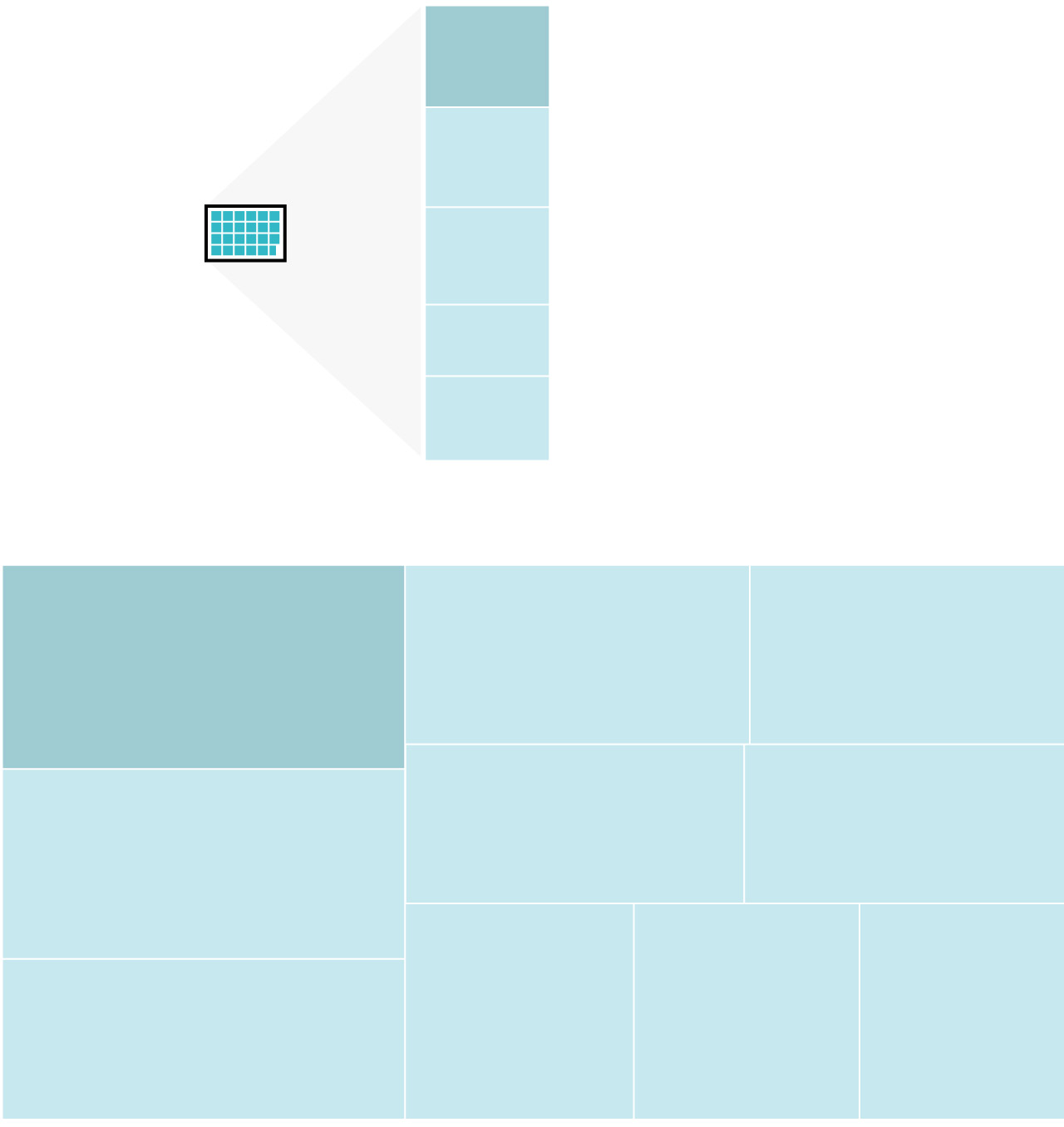
A third of the U.S. foreign aid budget in 2023 was spent on emergency food and global health.
In Ethiopia, the largest recipient of U.S. food assistance, WFP estimates that over 15 million people rely on emergency aid, following a years-long drought that wrecked crops and an armed conflict in Tigray that left communities on the brink of famine.
The majority of people receive direct food aid, rather than cash, which means that working supply chains are vital to staving off hunger.
Although Rubio issued a waiver to exempt emergency food programs from the 90-day aid pause, WFP administrators said the entire production line in Ethiopia has ground to a halt.
Warehouses in Djibouti are stocked with next month’s food supply, but truck drivers and program officers have been fired, furloughed or ordered to stop work. Without transportation or staff, palettes of taxpayer-funded flour, lentils and iodized salt may go to waste.
Aid workers say they have been given no guidance from administrators on whether essential workers can return.
“They got rid of all the senior lawyers,” said a senior USAID civil servant, now placed on administrative leave, speaking like others in this story on the condition of anonymity for fear of retribution. “The people who would be working to clarify these things aren’t around.”
An internal WFP memo viewed by The Washington Post warned of an “imminent” break in Ethiopia’s emergency assistance pipeline. Officials fear the disruption could set off a chain reaction of violence, starvation and migration.
The impact on global health could be just as swift and far-reaching. Multimillion-dollar programs to combat malaria, Ebola and tuberculosis have been put on hold. Some U.S.-funded clinics were ordered to close. And medical providers that receive U.S. support said that they have started to ration supplies or halt nonessential services in anticipation of funding gaps.
“We’re reading that an agency is closing down, but it’s not an agency: It’s someone for people to see when they go into labor or their child gets sick with malaria,” said Colin Puzo Smith, director of global policy at the nonpartisan advocacy group Results.
Over the past decade, there’s been a bipartisan effort to give local communities more control over health programs — often placing USAID in a supporting role.
“USAID is not footing the bill for the majority of health needs worldwide, but they often support a key part of the system,” said Puzo Smith. “When you turn that off overnight, it throws the whole system into disarray.”
Under a waiver granted by Rubio to the United States’ flagship HIV prevention program, PEPFAR, doctors are free to administer “lifesaving HIV care and treatment services,” but some say they are afraid to proceed because U.S.-funded systems to track pharmaceutical supplies are disabled and access to USAID’s global payment system has not been restored.
Global security
Stabilization operations
and security sector reform
$9.1B
Global security
$9.9 billion budget
Conflict mitigation and reconciliation
$349M
Combating weapons of mass destruction
$278M
Peace and security - general
$157M
$10M
Other
Countries with largest spending of security funds
Egypt
1.2B
Ukraine
Jordan
654M
429M
Israel
$3.3B
Iraq
Lebanon
Somalia
318M
215M
181M
Ecuador
Taiwan
Colombia
162M
135M
113M
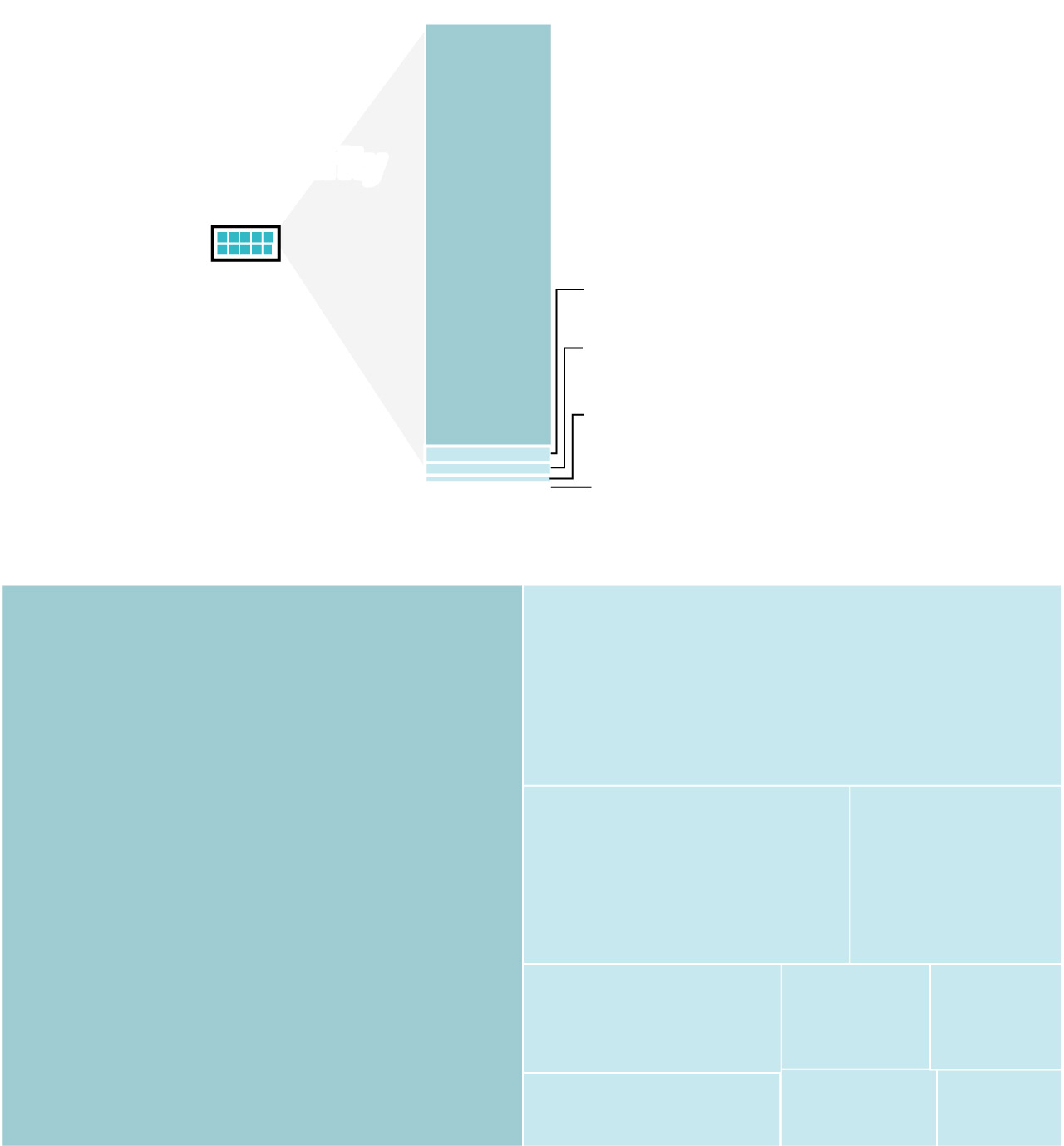
The United States spends nearly $10 billion on programs designed to reduce global conflict.
One third of “stabilization” funding was given directly to Israel in 2023, followed by large contributions to Ukraine and Egypt. U.S. support to Israel increased dramatically after the Hamas-led attacks on Oct. 7, 2023, and the war in Gaza. Trump issued a waiver for Israel and Egypt that allows U.S. funding to continue throughout the pause.
The United States also leads efforts to combat violent extremism in Syria, Iraq and across North Africa.
At Al Hol, a desert camp in northeast Syria that houses thousands of former Islamic State fighters and their families, a collection of U.S. contractors provide food, water and fuel to residents, and train the camp’s security forces.
Although some programs have resumed following a State Department waiver, the future of key contractors may be in jeopardy because USAID has not issued payments for other regional programs in December and January, according to Proximity International. The U.S.-based contractor says it is owed more than $2 million.
“We will fail because USAID does not have a working mechanism to pay us back for money we have already spent on allowable expenses,” said Courtney Brown, Proximity International’s CEO.
In Iraq, the future of a flagship effort to resettle the families of former Islamic State fighters is also in doubt.
The U.S.-backed program “facilitated security clearances, cross-border transit and rehabilitation support for the new arrivals,” said a former USAID senior staff member. “Now all of that is on pause.”
The former staffer fears that the breakdown in U.S. programming will undercut years of local trust-building and strengthen the hand of Tehran.
“A more stable Iraq was a more sovereign Iraq that could stand up to Iranian pressure,” he said.
Governance
Macroeconomic
foundation
for growth
$14.6B
Governance funds
$17.8 billion
Rule of law and
human rights 933M
Good governance 749M
Civil society 749M
Other 937M
Countries with largest spending of governance funds
Moldova
151M
Colombia
92M
Mexico
73M
Ukraine
West Bank
and Gaza
14.7B
66M
Honduras
58M
El Salvador
54M
Tunisia
52M
Somalia
49M
Bangladesh
49M
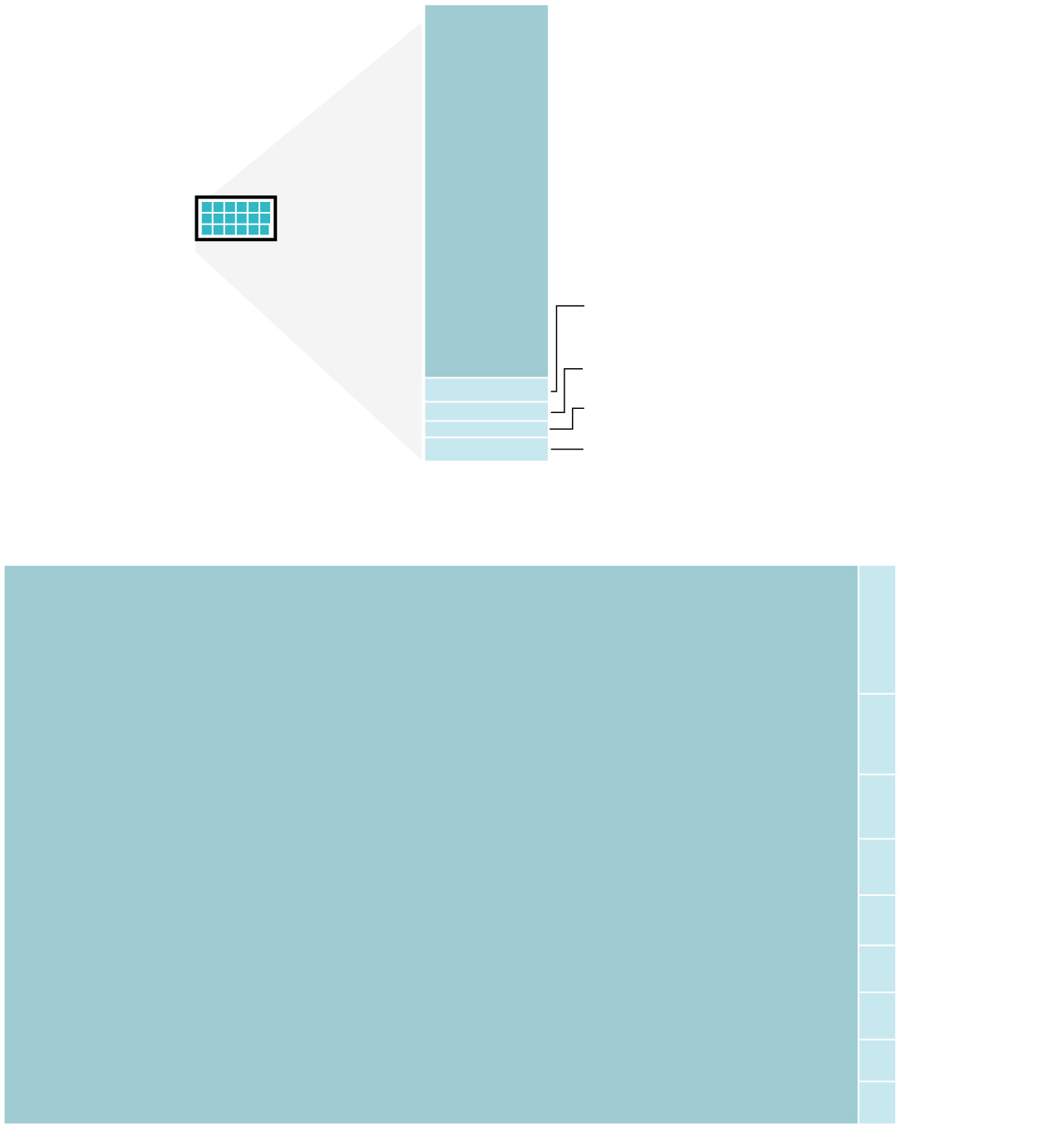
U.S. investments in global governance range from anti-corruption initiatives to programs that help safeguard elections.
The Biden administration committed more than $14 billion to Ukraine to soften the political and economic damage from Russia’s war with the nation. It also poured funding into Eastern European countries, such as Moldova, to counteract Russian influence.
Colombia, a key South American ally, is home to one of the most robust governance programs. The country has recently seen an upsurge in fighting between rival rebel groups and is hosting more than 3 million Venezuelan migrants. USAID was leading efforts to integrate new arrivals and reduce the flow of migrants to the north — a Trump administration priority.
“We used all the tools of national security: defense, diplomacy and development,” said Susan Reichle, a retired USAID mission director. “You need all three to help a country, particularly after conflict.”
Reichle fears the sudden U.S. departure will create a power vacuum.
“We are breaking our partners’ trust,” she said. “And this is going to force them into the arms of China and Russia.”🔺


