Trump’s Greenland threats push Europe toward divorcing America
With NATO thrown into question, some officials see the “coalition of the willing” as the basis for a new alliance without the U.S.

Greenland And Europe Hope To Avert U.S. Intervention To Aquire Greenland
Analysis January 19, 2026 Politico By Tim Ross
LONDON — As with many failing relationships, it’s been a story of arguments, unspoken tensions and trying to keep up appearances in public since Donald Trump re-entered the White House a year ago.
But for many European governments, including America’s longest-standing and most loyal allies, Trump’s threat of punitive tariffs against anyone who tries to stop him taking Greenland was the final straw. Divorce, they believe, is now inevitable.
In private, dismayed European officials describe Trump’s rush to annex the sovereign Danish territory as “crazy” and “mad,” asking if he is caught up in his “warrior mode” after his Venezuela adventure — and saying he deserves Europe’s toughest retaliation for what many see as a clear and unprovoked “attack” against allies on the other side of the Atlantic.
“I think it is perceived as one step too far,” said one European diplomat, who like others was granted anonymity to speak candidly. “Europe has been criticized for being weak against Trump. There is some truth in that, but there are red lines.”
Senior European officials increasingly believe it’s time to face the truth that Trump’s America is no longer a reliable trade partner, still less a dependable security ally, and urgently look to the future. “There is a shift in U.S. policy and in many ways it is permanent,” according to a senior official with a European government. “Waiting it out is not a solution. What needs to be done is an orderly and coordinated movement to a new reality.”
That coordination has already begun, as has the big conversation about what comes next.
Barring a radical shift in the approach of the United States, this process seems likely to end in a radical reshaping of the West that would upend the global balance of power. The implications range from transatlantic economic damage as trade tensions rise, to security risks as Europe attempts to defend itself without American help before it is fully ready to do so.
There would likely be costs to the United States as well, such as in its ability to project hard power into Africa and the Middle East without access to the network of bases, airstrips and logistical support that Europe currently provides.
A post-U.S. future
Alongside all the talk of retaliation by targeting U.S. trade, diplomats and government officials in national capitals are also considering what a long-term split from Washington might bring.
For most the prospect is a painful one, ending 80 years of peaceful cooperation, mutual support and profitable trade and dealing a death blow to NATO in its current form. Plenty of governments want to salvage what they can, while Italy’s hard right leader, Giorgia Meloni, is trying to rebuild relations.
But for some government officials, a post-U.S. future for Western allies isn’t hard to imagine.
For starters, European states, including those not in the EU like Britain and Norway, have spent much of Trump’s second term working in an increasingly effective group that already operates without America: the so-called coalition of the willing to support Ukraine.
U.S. President Donald Trump leads Ukraine’s President Volodymyr Zelenskyy and European leaders at the White House on Aug. 18, 2025. States like Britain and Norway, which are not in the EU, have been part of the Coalition of the Willing in support of Ukraine. | Aaron Schwartz/EPA
National security advisers from 35 governments are in regular contact, meeting frequently online and in person, as well as interacting via less formal text messaging. They are accustomed to seeking multilateral solutions in a world where Trump is a big part of the problem.
Levels of trust in these circles are generally high, according to people familiar with the way the group operates. Nor is it just at the level of officials: National leaders are themselves rolling up their sleeves and working in intimate new groupings.
Leaders including the U.K.’s Keir Starmer, France’s Emmanuel Macron and Germany’s Friedrich Merz, as well as European Commission President Ursula von der Leyen, Alexander Stubb of Finland and Meloni of Italy regularly text with each other — often in the same group chat.
Texting leaders
Over the past year they have developed a well-drilled routine of exchanging messages whenever Trump does something wild and potentially damaging. “When things start moving quickly, it’s hard to do the coordination, and this group [chat] is really effective,” said one person familiar with the arrangement. “It tells you a lot about the personal relationships and how they matter.”
The “informal but active” arrangement is known as the Washington Group, after the collection of European leaders who visited the White House with Ukraine’s President Volodymyr Zelenskyy last August.
Their approach for the past year has mostly been to keep calm and respond to his policy actions rather than taking the bait of his provocative words. That ethos has oiled the wheels of the Ukraine peace process, with the coalition of the willing closing in on a framework for a peace plan that the U.S. is signed up to — including American security guarantees for Ukraine. This marks a significant achievement given that Trump earlier ruled out the U.S. military playing a role.
But Trump’s hell-raising over Greenland has now tipped the balance.
Gone is the softly-softly approach to the American president’s threats. Even Starmer, normally the most circumspect of leaders, called out the president’s tariff threat as “wrong,” including, apparently, in a direct call with Trump on Sunday.
The Greenland crisis has focused minds on the question of how to move on without America by their side.
“The coalition of the willing started as being about Ukraine,” said another diplomat. “But it has created very close ties between some of the key people in the capitals. They have been building up trust and also aptitude to work together. They know each other by name and it’s easy to reach out and to send texts.”
Who needs NATO, anyway?
This format could potentially become the seedbed for a new security alliance in an era when the U.S. no longer supports NATO and European security. A new arrangement wouldn’t exclude cooperation with America, but nor would it take it for granted.
Also in the text chats with the Washington Group leaders is Zelenskyy himself, which brings another intriguing idea into the mix. Ukraine is by far the most militarized country among those represented, with a huge army, a highly sophisticated drone production industry, and more expertise in the realities of fighting a war than anyone.
A handout of Ukrainian servicemen conducting training in the Kharkhiv region in November last year. Ukraine is by far the most militarized country among those represented in the coalition. | 127th Separate Brigade of the Territorial Defence/EPA
While Ukraine has long sought membership in NATO, that now seems less of a prize than it once did, as America’s promises to underpin any security guarantees grow less convincing by the day.
If Ukraine’s military might were to be included, when added to that of France, Germany, Poland and the U.K., among others, the potential armed power of the coalition of the willing would be vast, and would include both nuclear and non-nuclear states.
Although Europe’s need to defend itself with less American support is an old topic of conversation, recent days have seen a flurry of initiatives and headlines from Brussels. Officially, the EU has resolved to be able to defend itself by 2030.
European Defense Commissioner Andrius Kubilius a week ago proposed a standing EU army of 100,000 personnel and revived the idea of a European Security Council of around 12 members, including the U.K. Von der Leyen touted a new European Security Strategy, though few details have yet been provided.
There is wide agreement that these conversations about a new European security architecture need to happen, and fast. EU leaders will meet in person for an emergency summit in the coming days to calibrate a response to Trump’s Greenland threats, though the discussion may range far wider than that.
With Trump due to attend the World Economic Forum in Davos, there is also a possibility of face-to-face talks between the European and American sides.
After speaking to Merz, Macron, Starmer and NATO chief Mark Rutte, von der Leyen said on Sunday that Europeans would “stand firm” in their commitment to protect Greenland. “We will face these challenges to our European solidarity with steadiness and resolve,” she said.
Given the current moment, some creative thinking will also be required.
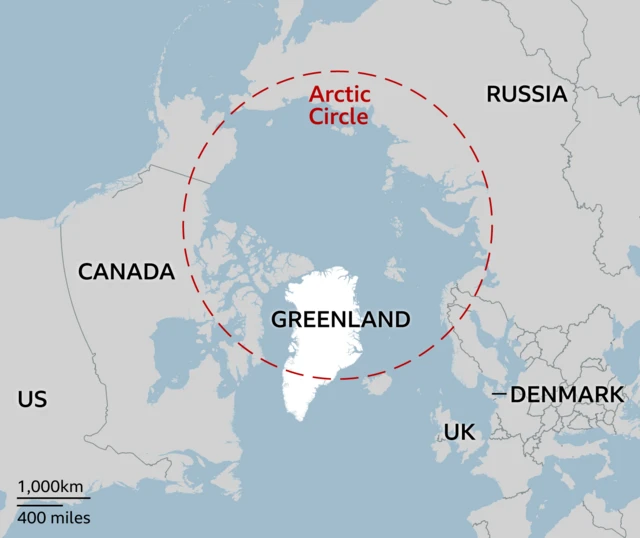
A map showing Greenland's location in relation to US, Canada, UK and Denmark
A quick guide to Greenland
Greenland is the world's biggest island and sits in the North Atlantic Ocean, between North America and Europe.
Most of the island is in the Arctic Circle and is covered by a permanent ice cap.
Trade: Melting ice due to climate change means shipping routes are opening up around Greenland's waters. This could also unlock access to minerals and fishing areas.
Natural resources: Greenland has potential oil, gas and key mineral reserves - including some seen by the US as critical to its national security - but the Arctic climate makes extracting them difficult.
Population: Around 57,000, mainly made up of indigenous Inuit. Most live in the south west, near the capital Nuuk.
Military: The US has had a military presence on the island since World War Two, when Nazi Germany occupied Denmark. Its only current base is Pituffik, while Denmark also has several military sites.
Politics: Autonomous territory of Denmark governs its own domestic affairs but not its defence policy. Most Greenland political parties are in favour of independence.
கிரீன்லாந்து ஒரு சுருக்கமான தரவு:
கிரீன்லாந்து உலகின் மிகப்பெரிய தீவாகும், இது வட அட்லாண்டிக் பெருங்கடலில், வட அமெரிக்காவிற்கும் ஐரோப்பாவிற்கும் இடையில் அமைந்துள்ளது.
தீவின் பெரும்பகுதி ஆர்க்டிக் வட்டத்தில் உள்ளது மற்றும் நிரந்தர பனி மூடியால் மூடப்பட்டுள்ளது.
வர்த்தகம் : காலநிலை மாற்றத்தால் பனி உருகுவதால் கிரீன்லாந்தின் நீர்நிலைகளைச் சுற்றி கப்பல் பாதைகள் திறக்கப்படுகின்றன. இது கனிமங்கள் மற்றும் மீன்பிடிப் பகுதிகளுக்கான அணுகலைத் திறக்கக்கூடும்.
இயற்கை வளங்கள்: கிரீன்லாந்தில் எண்ணெய், எரிவாயு மற்றும் முக்கிய கனிம இருப்புக்கள் உள்ளன - அவற்றில் சில அமெரிக்காவால் அதன் தேசிய பாதுகாப்பிற்கு முக்கியமானதாகக் கருதப்படுகின்றன - ஆனால் ஆர்க்டிக் காலநிலை அவற்றைப் பிரித்தெடுப்பதை கடினமாக்குகிறது.
மக்கள் தொகை : சுமார் 57,000 பேர், பெரும்பாலும் பழங்குடி இனுயிட் இனத்தைச் சேர்ந்தவர்கள். பெரும்பாலானோர் தலைநகர் நூக்கிற்கு அருகில் தென்மேற்கில் வசிக்கின்றனர்.
இராணுவம் : இரண்டாம் உலகப் போருக்குப் பிறகு, நாஜி ஜெர்மனி டென்மார்க்கை ஆக்கிரமித்ததிலிருந்து, அமெரிக்கா தீவில் இராணுவ இருப்பைக் கொண்டுள்ளது. அதன் தற்போதைய ஒரே தளம் பிடுஃபிக் -Pituffik- ஆகும், அதே நேரத்தில் டென்மார்க்கின் பல இராணுவத் தளங்கள் உள்ளன.
அரசியல் : கிரீன்லாந்து டென்மார்க்கின் சுயாட்சிப் பிரதேசம் ஆகும். அதன் சொந்த உள் விவகாரங்களை நிர்வகிக்கிறது, ஆனால் அதன் பாதுகாப்புக் கொள்கையை டென்மார்க்கே தீர்மானிக்கின்றது.கிரீன்லாந்து அல்ல. பெரும்பாலான கிரீன்லாந்து அரசியல் கட்சிகள் சுதந்திரத்தை ஆதரிக்கின்றன.
Foreign reserves exceed US$ 6 billion owing to higher remittances, tourist earnings and exports
The country’s foreign reserves reached US$ 6.1 billion at the end of 2025. This increase in reserves that includes a Chinese debt swap of US$ 1.5 billion is the country’s highest foreign reserve since the economic crisis of 2022. It was achieved in inspite of repayments of foreign debts during the year. This favourable outcome was achieved due to an increase in remittances from abroad, increased earnings from tourism and higher export earnings.

Important
It is vitally important to ensure that these favourable developments continue this year and that the trade deficit that has been widening owing to increased imports is contained. This is, however, no easy task in an uncertain international environment of global conflicts and trade wars.
Remittances
Remittances from abroad reached a record US$ 8.1 billion, surpassing those of any previous year. This increase in remittances is attributed to workers and diaspora members sending more money to assist families and friends affected by the cyclone, as well as to the country’s reconstruction, rehabilitation and rebuilding effort. Hopefully, this year’s remittances will be higher than that of last year.
Tourist earnings
Earnings from tourism also increased to US$3.2 billion. Although the number of tourists increased significantly, there wasn’t a commensurate increase in earnings from tourism, indicating the lower ex-penditure per tourist.
This feature of low-spending tourists, some of whom are even running small enterprises, is a serious concern that has to be addressed.
Unaffected
Fortunately, the cyclone at the end of November did not deter tourists from visiting the country in December. Consequently, tourist earnings reached US$3.2 billion in 2025. One of the main contributory factors is the high number of tourists from India and China.
This year
The number of tourists expected this year is higher. This is, however, dependent on international conditions. The costs and risks of travel from western destinations would determine the flow of tourists from Europe and beyond. While this is so for travellers from the West, it does not affect our main sources of tourism—India and China. There is also an increase in visitors from Australia. Sri Lanka is a preferred destination for Australians.
Expectation
The tourist industry expects a further increase in tourists this year that would enhance our foreign earnings. It is important to ensure that we continue to be a safe destination for tourists. Furthermore, it is important to attract high-spending tourists.
Exports
The increase in exports to US$18 billion was indeed an important contribution to the country’s trade balance and external finances. Although the higher tariffs imposed by the US were expected to reduce merchandise exports, exporters appear to have rushed exports to the US. Furthermore, the European Union, Britain and Canada have opened up their markets to Sri Lankan merchandise exports. The expansion of exports to these and other markets in Asia is vital to increase exports.
Significant development
A significant development in external trade is the surge in exports of ICT (information and communications technology) services. Last year, the country earned as much as about US$5 billion from these services. It is vitally important that these services are expanded. The government must not disincentivise these service exports by taxes on these earnings. Instead, there should be an expansion of opportunities for training and assistance for obtaining job opportunities in ICT services abroad. There is reason to believe that Sri Lankans have a natural aptitude for developing skills in information technology. We should endeavour to make ICT services a leading foreign exchange earner.
Summary and conclusion
Our external finances improved significantly last year. In spite of debt repayments, our foreign reserves reached US$ 6.1 billion owing to higher remittances from abroad, record earnings from tourism and increased exports.
It is imperative that our foreign earnings continue to increase this year and that our imports are reduced to decrease our trade deficit. We must be mindful of the need to build up our reserves to enable us to meet our debt repayment obligations in 2028. However, the unpredictable international economic environment is not conducive for the country’s merchandise exports. The recent imposition of a 25 per cent import duty on our tea imports to the US because of our trade ties with Iran is illustrative of difficulties we may face.
 (Liudmila Chernetska/Getty Images)
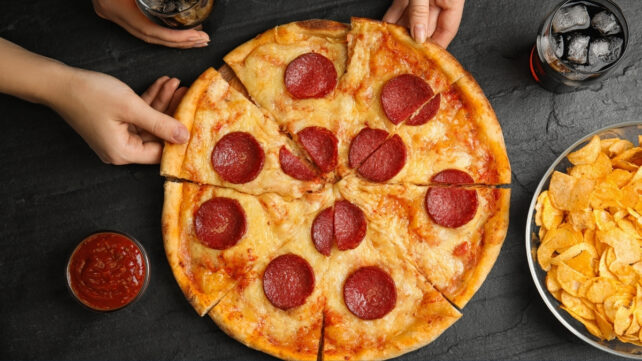
Eating some common food preservatives is linked to a slightly higher risk of eventually developing cancer and diabetes, according to two large French studies published Thursday.
However, outside experts called for more research and emphasized that these kinds of observational studies cannot demonstrate a direct cause-and-effect relationship.
The first study, published in the journal BMJ, said it observed "multiple associations between preservatives that are widely used in industrial foods and beverages on the European market… and higher incidences of overall, breast and prostate cancers".
The preservatives included nitrites and nitrates, which are often used to cure ham, bacon, and sausages.
The second study, published in Nature Communications, also found a link between eating some food additives and developing type 2 diabetes.
Both studies were based on an ongoing research project in which more than 100,000 French people fill out regular questionnaires about their diet.

French epidemiologist Mathilde Touvier, who supervised both studies, told AFP that "consuming products with preservatives does not mean you will immediately develop cancer".
"But we need to limit how much we are exposed to these products," she said.
"The message for the general public is to choose the least processed foods when shopping in the supermarket."
The strongest link found in the first study was between sodium nitrite and prostate cancer, which increased the risk by around a third.
However, the level of increased risk remained moderate. For comparison, heavy smoking raises the risk of getting lung cancer by more than 15 times.
Potassium sorbate, which is commonly used to stop mold and bacteria from growing in food and drink, was associated with twice the risk of developing diabetes.
Researchers not involved in the studies praised its robust methodology but warned it was premature for consumers to change their behavior until more research is conducted.
Tom Sanders, a nutrition expert at King's College London, cautioned that the results could be "due to an inability to completely correct for other factors already known to contribute to risk".
For example, processed meat and alcohol are both already strongly linked to higher cancer rates.
This could mean that it was not sodium metabisulfite – which is used in winemaking to kill yeast – that was causing cancer, but actually drinking the wine, Sanders suggested.
But one option could be to label foods "that use nitrates/nitrites with a health warning", he added.
The studies were published days after the UK banned daytime TV, radio, and online advertisements for unhealthy food and drinks that are high in fat, salt, and sugar.
© Agence France-Presse
08.01.2026 வியாழக்கிழமை மாலை 5.30 மணி
BIG BREAKING