SHARE

Thursday, September 04, 2025

The evolution of famine in Gaza,

 Graphic detail | Hunger crisis

The evolution of famine in Gaza, in maps and charts

For the first time, catastrophic levels of hunger have been confirmed in the strip

AREPORT ON August 22nd confirmed what many observers have long feared: parts of the Gaza Strip are now in famine. Analysis by the Integrated Food Security Phase Classification (IPC), which monitors food crises worldwide, estimates that more than half a million people are already in phase five—characterised by “extreme food deprivation, acute malnutrition and starvation-related deaths”. For now the famine is centred in the governorate of Gaza, one of five in the strip. It is the most densely populated and home to Gaza city. By the end of September, famine is expected to spread south to the governorates of Deir al-Balah and Khan Younis (see maps). The local ministry of health, which is run by Hamas, the militant Islamist group that still controls part of the strip, says more than 270 people have already died of starvation, including more than 100 children. In a statement, Israel’s ministry of defence disputed the hunger-related death toll and rejected the findings of the IPC report.

Between early March and mid-May Israel blocked all food aid into the strip. It later set up food-distribution sites in the centre and south of the strip. But these have been bloody and ineffectual; more than a thousand Palestinians have been killed by the Israel Defence Forces (IDF) while approaching the sites, or have been trampled to death while queuing for food. (The IDF disputes the toll and blames Hamas for the chaos.) As reports of starvation and images of skeletal children have multiplied, Israel has allowed in some convoys and airdrops. These fall far short of what is needed. In private, Israel’s generals recently warned Binyamin Netanyahu, the prime minister, that Gaza is on the brink of famine.

The recent deterioration in the strip has been swift. In July the number of households reporting that they were experiencing “very severe hunger” was twice that in May, according to UNICEF, the UN children’s fund. Over a third of people said they were going days at a time without eating; adults regularly skipped meals so their children could eat. Since April some 20,000 children have been hospitalised with acute malnutrition. Last month even Donald Trump conceded that there was “real starvation” in the strip.

The IPC says that a third of people in the governorate of Gaza are experiencing famine. The current fighting there could make the situation worse: this week the IDF stepped up their operations around Gaza city after Mr Netanyahu approved a plan to seize it. The proposal included the provision of humanitarian aid for civilians outside the combat zone, but few details have been made public. In the governorate of North Gaza conditions are thought to be worse still, though the IPC cannot say, for lack of data. Rafah, in the south, has been largely abandoned.

Chart: The Economist

One metric used by the IPC to measure acute malnutrition is the mid-upper-arm circumference of children under five. By this measure some 15% of children in the governorate of Gaza are acutely malnourished, a level consistent with the IPC’s definition of phase four (an emergency) and phase five (a famine). This percentage has doubled every four weeks over the past three months. If current trends continue, more than half of children there could be acutely malnourished by the end of September.

The declaration of famine will probably change little on the ground. The food flowing into Gaza is far less than what is needed. Domestic production has collapsed. More than 98% of cropland is damaged or inaccessible. Only 26% of sheep, 34% of goats, 4% of cattle and 1% of poultry have survived the war. Fishing has ceased under Israeli restrictions. Food prices are ruinous: in July they rose by another 25%, pushing the cost of staples to nearly 100 times their level during a February ceasefire and 150 times their pre-war level. It does not help that there is little fuel or clean water with which to cook. A catastrophic situation is getting worse by the day.

Wednesday, September 03, 2025

ஜனாதிபதி அநுர கச்சதீவுக்கு விஜயம்

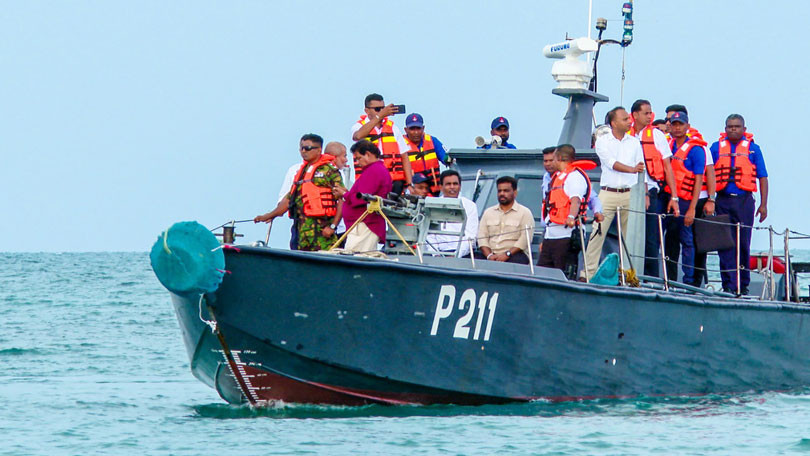
கச்சதீவுக்கு விஜயம் செய்த ஜனாதிபதி | President Visits Katchatheevu

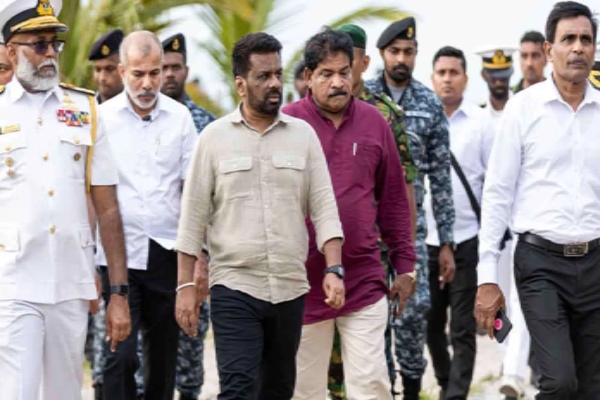
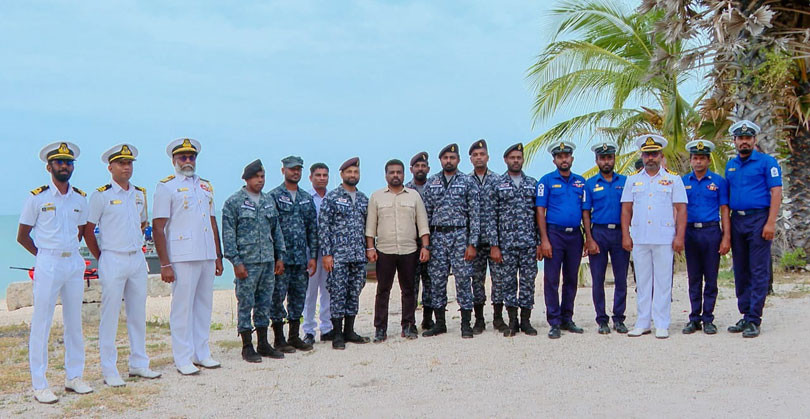
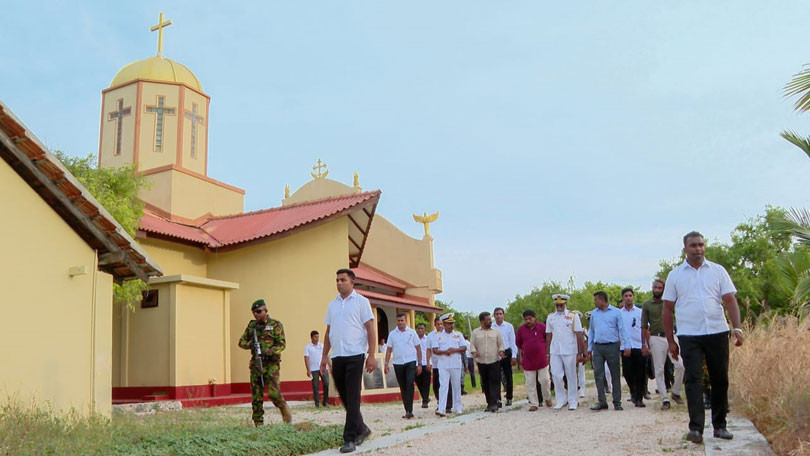
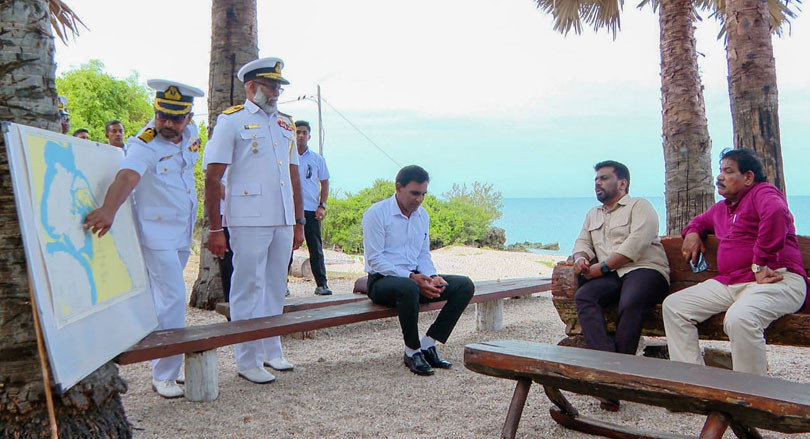
 IBC-யாழ்ப்பாணத்தில் இன்று (01) பல அபிவிருத்தித் திட்டங்களை ஆரம்பித்து வைத்த ஜனாதிபதி அநுர குமார திசாநாயக்க இன்று பிற்பகல் யாழ். ஊர்காவற்றுறை இறங்குதுறையில் இருந்து கச்சதீவுக்கு விஜயத்தை மேற்கொண்டார்.

ஜனாதிபதி இதன்போது கச்சதீவில் கண்காணிப்பை முன்னெடுத்திருந்தமை குறிப்பிடத்தக்கது.

ஜனாதிபதியின் விஜயத்தில் பங்கேற்றோர்

  கடற்றொழில், நீரியல் மற்றும் கடல் வளங்கள் அமைச்சர் ராமலிங்கம் சந்திரசேகரன், பொதுமக்கள் மற்றும் நாடாளுமன்ற விவகார அமைச்சர் ஆனந்த விஜேபால மற்றும் வடக்கு கடற்படைத் தளபதி ரியர் அட்மிரல் புத்திக லியனகே உள்ளிட்டோரும் ஜனாதிபதியின் விஜயத்தில் பங்கேற்றிருந்தனர்.


Gallery

Sri Lanka’s President visits Katchatheevu Island after Indian actor’s remarks

Gallery

Tuesday September 2, 2025 

ECONOMYNEXT – Sri Lanka’s President Anura Dissanayake has visited Katchatheevu Island, while on a visit to Jaffna to open a fishing harbour, cricket stadium and a Immigration and Emigration regional office.

The visit follows remarks made by C Joseph Vijay, an Indian actor-turned-regional politician from Tamil Nadu, on reclaiming the island.

Gallery
“The government is committed to safeguarding the surrounding seas, islands and landmass of the country for the benefit of the people and will not allow any external force to exert influence in this regard,” Dissanayake was quoted as saying by his media division.

The visit made headlines in Indian media.

Gallery

On August 21, Vijay said India needed to “retrieve Katchatheevu from Sri Lanka” at a political rally in Madurai.

Katchatheevu Island, famous for its annual St Anthony’s festival, was ceded to Sri Lanka by India without consulting the Tamil Nadu state government.

Since then, Indian fishermen have only been allowed to use the island for resting, drying their nets and for the annual church feast, but not for fishing.

Sri Lanka and India signed four Maritime Boundary Agreements between 1974 and 1976 that defined a mutual understanding of the international maritime boundary between the two countries. (Colombo/Sep2/2025)

Tuesday, September 02, 2025

அருணாசலமும் அனைத்து இலங்கையர் தேசியவாதமும்

அருணாசலமும் அனைத்து இலங்கையர் தேசியவாதமும்

September 1, 2025 | Ezhuna

வேந்தர் இல்லா வையகம்: இருபதாம் நூற்றாண்டு யாழ்ப்பாணம்‘ எனும் இத்தொடர் ‘ஒருவர் வாழ்க்கை ஊடாகத் தென்படும் காட்சிகள்‘ பற்றியதாகும். இத்தொடர் கட்டுரைகள் என் வாழ்க்கையில் கண்டகேட்டகேள்விப்பட்டவாசித்தறிந்த நிகழ்ச்சிகள் ஏற்படுத்திய மனப்பதிவுகள் பற்றியும் அவற்றால் என் மனதில் உருவாகிய கருத்துகள் பற்றியும் கூறுபவை. இவை வரலாற்று ஆய்வுக் கட்டுரைகள் அல்ல. இவை யாழ்ப்பாணத்தைப் பற்றியவை; 20 ஆம் நூற்றாண்டை மையமாகக் கொண்டவை. வரலாற்றை எழுதுவோர்க்குச் சான்றுகளைக் கொடுத்துதவும் சுவடிகள் போன்று இத்தகைய நினைவுப் பதிவுகளும் பயன்படும் என்ற நோக்கத்துடன் இவை எழுதப்படுகின்றன.

கார்த்திகேசு இந்திரபாலா– 


மிதவாதத் தலைவர்கள்

பிரித்தானிய ஏகாதிபத்தியம் 19 ஆம் நூற்றாண்டு முடிவடைந்தபோது தென் ஆசியாவில் உறுதிபெற்ற நிலையில் இருந்தது. மேல்நாட்டார் ஆட்சியை எதிர்ப்பவர்களாகக் குறிப்பிடத்தக்க தலைவர்கள் இருக்கவில்லை. இலங்கையில், ஆங்கிலக் கல்வி பெற்ற மத்திய வகுப்பினரும், காலனி ஆட்சியில் தோன்றிய புதிய வாய்ப்புகளை இறுகப்பற்றி மேலுக்கு வந்தோரும், புதிய ஆட்சி அறிமுகப்படுத்திய சட்டமுறைகளுக்கு அமைய உருவாகிய ஒழுங்குள்ள அமைப்புக்குள் அமைதியுடன் வாழ்ந்த பொதுமக்களும் பிரித்தானியர் ஆட்சியை வெறுக்காது ஏற்றுக்கொண்ட நிலை காணப்பட்டது எனலாம். சுருங்கக்கூறின், இங்கு பிரித்தானிய அமைதி (Pax Britannica) நிலவியது.

இந்தப் பின்புலத்திலேதான் ஐரோப்பாவில் இருந்து பரவிய தேசியவாதக் கருத்துகள் ஆங்கிலக் கல்வி பெற்ற மத்திய வகுப்பினரிடையே தேசிய உணர்வுகளைத் தூண்டின. இவர்களுள் சமூகத்தில் செல்வாக்குப் பெற்ற சிலர் நாட்டின் அரசியலிலும் அக்கறை கொள்ளத் தொடங்கினர். இவர்கள் பிரித்தானியர் ஆட்சியை எதிர்த்தவர்கள் அல்லர்; மாறாக, அதை ஏற்றுக்கொண்டவர்கள். இவர்களுள் பலர் ‘விடுதலைக்குப் போராடியவர்கள்’ என்று இன்று வர்ணிக்கப்படுவர். ஆனால், இவர்கள் விடுதலை நோக்கைக் கொண்டிருக்கவும் இல்லை, போராடியதும் இல்லை.

இந்தியாவில் 19 ஆம் நூற்றாண்டின் பிற்பாதியில் சமூகத்தில் சீர்திருத்தங்களைப் புகுத்துவதற்கும் ஆட்சியாளர் கொள்கைகளை விமர்சிப்பதற்கும் அறிவுத்திறனாளர் (Intellectuals) செயற்படத் தொடங்கினர். இவர்களுள் ஒருவரான தாதாபாய் நவ்ரோஜி (Dadabhai Naoroji 1825 – 1917), சிறப்பாகக் குறிப்பிடத்தக்கவர். இந்தியாவின் செல்வத்தைப் பிரித்தானியா எடுத்துச் செல்வதை விமர்சித்து இந்தியத் தேசியவாத எழுச்சிக்கு வழிவகுப்பதில் இவர் பங்குகொண்டார். இவரும் இவரைப் போன்று தேசிய உணர்வுடன் செயற்பட்ட பிற அறிவுத்திறனாளர்களும் 1885 இல் இந்திய தேசியக் காங்கிரஸை (Indian National Congress) அமைத்தனர். இவர்களுக்கு முக்கிய நோக்கமாக இருந்தது இந்திய ஆட்சியில் கூடுதலான பங்கைப் பெறுவதே. இந்தியா பிரித்தானியர் ஆட்சியில் இருந்து விடுவிக்கப்பட வேண்டும் என்று எவரும் குரல் எழுப்பவில்லை.

இருபதாம் நூற்றாண்டு பிறந்ததும் இந்திய விடுதலை பற்றிச் சிந்திப்போர் வெளிவந்தனர். ஆங்கிலக் கல்விபெற்ற அறிவுத்திறனாளரைக் கூடுதலாகக் கொண்டிருந்த வங்காளத்தில் 1902 இல் அநுஷீலன் ஸமிதி என்ற பெயருடன் தொடக்கப்பட்ட கழகம் இந்தியாவுக்கு முழுமையான தன்னாட்சி (பூர்ண ஸ்வராஜ்) வேண்டும் என்ற கோரிக்கையை முன்வைத்தது. பின்னர் பிரபல யோகியாகப் பெயர்பெறும் அரவிந்தர் (Aurobindo Ghose) இக்கழகத்தைச் சேர்ந்து அரசியல் அரங்கில் ஏறினார். இக்கழகத்தில் இருந்து 1906 இல் பிரிந்து சென்றோர் ஜுகாந்தர் (Jugantar) என்ற வேறொரு கழகத்தைத் தொடக்கி விடுதலைக்காக வன்முறையை ஆதரித்தனர்.

இலங்கையிலும் 19 ஆம் நூற்றாண்டு முடிவடைந்த கட்டத்தில் அரசியல் விழிப்புணர்வுகள் வெளிப்பட்டன. இவற்றை எந்த வகையிலும் தேசியவாத உணர்வுகள் என்று கூறமுடியாது. இக்கட்டத்தில் சமூகத்தில் முக்கியத்துவம் பெற்றிருந்த எவராவது அந்நியர் ஆட்சியை எதிர்த்தோ, நாடு விடுதலை பெறவேண்டும் என்றோ குரல் எழுப்பவில்லை.

தேசிய உணர்வுகள் தோன்றுவதற்கு வாய்ப்பளிக்காத வகையில் பிரித்தானியர் ஆட்சிமுறை இலங்கையரை இனக்குழு அடிப்படையில் பிரித்து, ஒவ்வொரு இனக்குழுவுக்கும் அந்தந்தக் குழுவைச் சேர்ந்தோரே பிரதிநிதியாக இருக்கும் வழக்கத்தை உருவாக்கியிருந்தனர். இந்த வழக்கத்தில் 19 ஆம் நூற்றாண்டு முழுவதும் ஊறிப்போய் இருந்த புதிய மத்திய வகுப்பினர் இலகுவில் இன அடிப்படையிலான தேசியத்துக்குள் இறங்கினர். இப்பின்புலத்தில் இலங்கையர் தேசியவாதம் என்ற விதை துளிர்த்து வேரூன்றுவதற்கு உகந்த சூழல் இருக்கவில்லை.

எனினும், ஆங்கிலக் கல்வி கற்று வெளியுலக அரசியல் வளர்ச்சி பற்றிய அறிவைப் பெற்ற மத்திய வகுப்பினர் நாட்டின் ஆட்சியில் தமக்கும் கூடுதலான பங்கைப் பெற விரும்பினர். இதனைத் தேசியவாதமாகக் கொள்ளக்கூடாது. கேம்பிரிட்ஜ் பல்கலைக்கழகத்தில் இளைஞனாகப் படிக்கச் சென்ற பொன்னம்பலம் அருணாசலம் (1853-1924) அப்பொழுது நடைபெற்ற இத்தாலியத் தேசிய இயக்கத்தினால் கவரப்பட்டார். இங்கிலாந்தில் தான் கண்டதுபோல இலங்கையிலும் உரிமைகளும் நிர்வாகமும் இருக்கவேண்டும் என்று விரும்பினார். இலங்கைக்குத் திரும்பி வந்தபின் தன் பிரித்தானிய நண்பர்களுடன் இது பற்றிக் கலந்துரையாடினார்.

அருணாசலத்தின் நெருங்கிய நண்பர்களுள் ஒருவர் வில்லியம் டிக்பி (William Digby 1849 – 1904). இவர் கொழும்பில் இருந்து வெளிவந்த Ceylon Observer செய்தித்தாளின் துணைப் பதிப்பாசிரியராகப் பணிபுரிந்து, பின்னர் Madras Times இன் ஆசிரியராகச் சென்னைக்குச் சென்றார். அருணாசலத்துடன் இலங்கையின் நிலை பற்றிக் கலந்துரையாடிய டிக்பி இலங்கைக்குத் தன்னாட்சி நடத்தக்கூடிய தகைமை இருப்பதாக எண்ணி, 1877 இல் ‘An Oriental Colony Ripe for Self-government’ என்ற ஒரு கட்டுரையை Calcutta Review இல் வெளியிட்டார். இதுவே இலங்கைக்குச் சுயாட்சி தேவை என்பது தொடர்பாக எழுப்பப்பட்ட முதலாவது குரல் எனலாம்.

அக்குரலைக் கேட்ட இலங்கையர் எவரும் அது பற்றிச் சிந்தித்துச் செயலாற்ற முன்வரவில்லை. அருணாசலமும் தன் அரச வேலையில் இருந்து ஓய்வு பெறும்வரை இது தொடர்பாக முயற்சிகள் எடுக்கவில்லை. இதேகாலத்தில் இந்தியாவில் தேசிய இயக்கம் உக்கிரமத்துடன் வளர்ந்து செல்லத் தொடங்கியது. இதனை இலங்கை மத்திய வகுப்பினர் அறிந்திருந்தனர். தன் ஆங்கிலேய நண்பர் ஒருவருக்கு அருணாசலம் 1898 இல் எழுதிய கடிதத்தில், ஆங்கிலேய அரசு ‘திலகர் போன்ற தேசபக்தர்களுக்குக் கொடூரம் இழைப்பது’ (“…cruel treatment of patriots like Tilak”) பற்றி எழுதியிருந்தார். அவரைப் போன்று இலங்கையில் பிற மத்திய வகுப்பினரும் இந்தியாவில் நடந்துகொண்டிருந்த தேசிய இயக்கம் பற்றி நன்கு அறிந்திருப்பர். ஆனால் அதன் எதிரொலி இலங்கையில் கேட்கப்படவில்லை. அரசியல் முன்னேற்றத்துக்கான செயற்பாடுகள் தொடர்பாக இலங்கையும் இந்தியாவும் தொடக்கத்தில் இருந்தே வெவ்வேறு வழிகளில் பயணித்தன.

முதல் உலகப் போரின் பின்

முதல் உலகப் போர் 1918 இல் முடிவடைந்தபோது தோல்வியுற்ற பேரரசுகளில் ஒடுக்கப்பட்டிருந்த இனங்களும் நாடுகளும் தேசியவாத எழுச்சிக்கு இலக்காகின. அவ்வேளையில் அமெரிக்க ஜனாதிபதி தேசிய சுயநிர்ணயக் கோட்பாட்டை ஊக்குவித்தார். இதன் விளைவாக ஐரோப்பாவிலும் மேற்கு ஆசியாவிலும் புதிய தேசிய அமைப்புகள் தோன்றின. இந்த நிகழ்ச்சிகள் ஆசியாவிலும் செல்வாக்குச் செலுத்தின எனலாம்.

இலங்கையின் அரசியலைப் பொறுத்த மட்டில் இக்கட்டத்தில் முதல் தடவையாகத் தேசியவாதம் என்ற சொல் பயன்பாட்டுக்கு வருவதைக் காணலாம். எனினும் இதேகாலத்தில் இந்தியாவில் எழுச்சி பெற்றிருந்தது போன்ற தேசிய இயக்கம் இலங்கையில் காணப்படவில்லை. பின்னரும் இருக்கவில்லை. அரசியல் சீர்திருத்தங்களைக் கோருவதற்காக 1917 இல் Ceylon National Association என்ற ஒரு கழகத்தைக் கூட்டியபோதும், 1919 இல் Ceylon National Congress என்ற கட்சியை அருணாசலம் அமைக்க முயன்ற போதும், ‘National’  என்ற சொல்லை விரும்பாதவர்களும், ‘Congress’ என்ற பெயரை வைப்பதை இட்டு அஞ்சியவர்களும் இருந்தனர்.

இலங்கை அரசியலில் ஈடுபாடு கொண்டிருந்த மத்திய வகுப்பினர் முழுமையாகப் பிரித்தானியப் பேரரசுக்கு விசுவாசமாக இருந்தவர்கள். ஆட்சியாளர் தங்கள் மீது சந்தேகம் கொள்ளக்கூடிய வகையில் எந்த ஒரு நடவடிக்கையிலும் இவர்கள் பங்குகொள்ள விரும்பவில்லை. அரசியல் யாப்பில் சீர்திருத்தம் வேண்டும் என விரும்பியோர் நடத்திய கூட்டங்களுக்குப் பல மத்திய வகுப்பினரை வரவைப்பதே கடினமாக இருந்தது பற்றி அருணாசலம் குறிப்பிட்டுள்ளார். இவ்வேளையில் தேசிய எழுச்சி இருந்தமைக்கான அறிகுறிகளைக் காண்பதே அரிது.

அருணாசலம் விதைத்தது

இவ்வாறான ஒரு பின்புலத்தில் ஓர் இலட்சியவாதி இலங்கையர் அனைவரையும் ஒன்று கூட்டும் நோக்குடன், இந்திய அரசியல் இயக்கத்தை ஒத்த, தேசியவாதத்தை வளர்க்க விதை ஒன்றை விதைத்தார். அது துளிர்விட்டு எழுவதற்குக்கூட மண்ணும் பசளையும் உகந்ததாக இருக்கவில்லை. மனம் உடைந்த இலட்சியவாதி தன் முயற்சியைக் கைவிட்டார். அந்த இலட்சியவாதி அருணாசலம் ஆவார். நாட்டில் ஒருபோதும் உண்மையான இலங்கையர் தேசியவாதம் (Ceylonese Nationalism) பல்வேறு இனங்களையும் உள்ளடக்கியதாக எழவே இல்லை.

தேர்தல் மூலம் சட்ட சபைக்கு உறுப்பினரை அனுப்பும் முறை அறிமுகப்படுத்தும் வரை யாழ்ப்பாணத்தில் அரசியல் செயற்பாடுகளுக்கு வாய்ப்பு இருக்கவில்லை. பிரித்தானிய ஆளுநரே 1920 வரை ஒவ்வொரு இனத்தின் சார்பில் சட்டசபையில் பிரதிநிதியாக இருப்பவரை நியமித்தார். சில வேளைகளில் ஒரு பிரமுகர் சார்பில் மக்கள் கருத்தை (Public Opinion) ஆளுநருக்குத் தெரிவிப்பதற்காகக் கற்றோரை மட்டும் கொண்ட அரசியல் கூட்டங்கள் நடைபெற்றிருக்கலாம். அப்படியான ஒரு கூட்டத்தில் பொன்னம்பலம் இராமநாதன் சார்பில் ஆறுமுக நாவலர் பேசியிருந்தார்.

ஆளுநர் மனிங் (Governor Manning) 1920 இல் ஏற்படுத்திய சீர்திருத்தங்களுக்கு அமைய முதல்முறையாகப் பிரதேச அடிப்படையிலான தேர்தல் அறிமுகப்படுத்தப்பட்டது. இவ்வேளை குறுகிய எல்லைகளுக்குள் இயங்கும் கழகங்கள் அரசியல் செயற்பாடுகளில் கவனம் செலுத்தத் தொடங்கின. 

இவற்றுள் ஒன்று யாழ்ப்பாணத்தை மையமாகக் கொண்டு எழுந்த Jaffna Association. இது இலங்கைத் தமிழர் சார்பாக இயங்கிய கழகம் எனலாம். இதைப் போன்று கண்டிச் சிங்களவர் (Kandyan Sinhalese) சார்பாகக் Kandyan National Assembly என்பது அமைக்கப்பட்டது. இக்காலகட்டத்தில் பழைய கண்டி அரசின் எல்லைகளுக்குள் வாழ்ந்த சிங்கள மக்களைக் கண்டிச் சிங்களவர் என வேறாகப் பிரித்திருந்தனர். இம்மக்களுடைய தலைவர்களாகத் தம்மைக் கருதிய பாரம்பரியக் கண்டியர் சமூகத்தின் உயர் குடும்பங்களைச் சேர்ந்தவர்கள் கண்டிச் சிங்களவர் ஒரு வேறான சிறுபான்மையினர் எனக் கோரி நின்றனர்.

இஸ்லாமிய மதத்தைத் தழுவியோராய் நாட்டின் பல்வேறு பாகங்களில் வாழ்ந்த முஸ்லிம் மக்களிடையிலும் இன விழிப்புணர்ச்சியை எழுப்பும் நோக்குடன் சில ஆங்கிலம் கற்ற தலைவர்கள் செயற்படத் தொடங்கினர். சட்ட சபையில் 1885 இல் பொன்னம்பலம் இராமநாதன், இலங்கை முஸ்லிம்கள் (Ceylon Moors) தமிழ் இனத்தவர் என்று கூறியமை இவர்கள் முயற்சிகளுக்கு வழிவகுத்த தூண்டு சக்திகளுள் ஒன்றாக அமைந்தது எனலாம்.

முஸ்லிம் சமூகத்தினரை ஒருங்கிணைத்து வேறான ஓர் இனக்குழுவாக அறிவிப்பதற்குப் பெரிதும் முயன்ற தலைவர்களுள் இருவர் முக்கியமானவர்கள். ஒருவர் முகம்மது காசிம் சித்தி லெப்பை (M.C. Siddi Lebbe 1838-1898). மற்றவர் அப்துல் அஸீஸ் (I.L.M. Abdul Azeez 1867-1915). இலங்கை முஸ்லிம்கள் அராபிய வணிகர்களின் வழித்தோன்றல்கள் என வாதாடிய சித்தி லெப்பை 1882 இல் முஸ்லிம் நேசன் என்ற ஒரு வார இதழை வெளியிடத் தொடங்கி, இதன்மூலம் முஸ்லிம் மக்களிடையே விழிப்புணர்ச்சியை ஏற்படுத்தினார். அப்துல் அஸீஸ் 1900 இல் Moors Union என்ற இஸ்லாமியர் கழகத்தை அமைத்து, Muslim Guardian என்ற இதழையும் வெளியிடத் தொடங்கினார். பின்னர், 1910 இல், Young Men’s Muslim Association என்ற இளைஞர் கழகம் அமைக்கப்படுவதையும், இதைத் தொடர்ந்து 1913 இல் அனைத்து இலங்கை முஸ்லிம்களையும் ஒன்று கூட்டும் நோக்குடன் All Ceylon Moors’ Association தொடக்கப்படுவதையும் காணலாம்.


மாறும் அரசியல் சூழலில் தம் இனக்குழுவையும் ஒற்றுமைப்படுத்தி அதன் நலன்களைப் பேணுவதற்கு ஐரோப்பியர் வழிவந்த குடியினரும் எண்ணத் தொடங்கினர். 

ஐரோப்பியர் இலங்கையில் குடியமரத் தொடங்கியது 16 ஆம் நூற்றாண்டில் ஆகும். முதலில் வந்த ஐரோப்பியராகிய போர்த்துக்கீசர் தங்கள் நாட்டுப் பெண்களை ஆசியாவுக்குக் கூட்டிவரவில்லை. போர்த்துக்கீசப் போராளிகளும் பிறரும் இலங்கைப் பெண்களை மணம் முடித்துக் குடும்பம் நடத்தத் தயங்கவில்லை. ஐரோப்பிய ஏகாதிபத்தியம் பரவிய முதல் கட்டத்தில், போர்த்துக்கீசரைப் பொறுத்தமட்டில், நிற வேற்றுமை முக்கியத்துவம் பெறவில்லை; இனவாதம் பின்போல் எழவில்லை. மாறாக, போர்த்துக்கீச மன்னன் தன் அதிகாரிகள் ஆண்ட ஆசிய, ஆபிரிக்க, தென் அமெரிக்க இடங்களில் ஆளப்பட்ட மக்களுடன் இனக்கலப்பை (Miscegenation) ஊக்குவித்து, போர்த்துக்கீசப் பண்பாட்டுக்குள் ஆளப்பட்டோரைச் சேர்த்துக்கொள்ளும் திட்டத்தை ஆதரித்தான். இந்த வகையில் தொடக்ககாலப் போர்த்துக்கீச ஏகாதிபத்தியம் பிற ஐரோப்பிய ஆட்சிமுறையில் இருந்து வேறுபடுகின்றது.

இத்தகைய கொள்கையின் பலனாகத் தனித்துவமான அடையாளம் உள்ள போர்த்துக்கீச இனக்குழு ஒன்று இலங்கையில் உருவாகவில்லை எனலாம். போர்த்துக்கீச மொழி பேசிய, கத்தோலிக்க மதத்தைத் தழுவிய இனக்குழு ஒன்று ஆங்கிலேயர் ஆட்சிக்காலம் வரை இருந்தது. யாழ்ப்பாணத்தில் 19 ஆம் நூற்றாண்டின் தொடக்கத்தில் இந்த இனக்குழுவைச் சேர்ந்தோர் பலர் இருந்தனர் என அமெரிக்க மிஷனரிமார் எழுதிவைத்துள்ளனர். இத்தகைய குழு ஒன்று 20 ஆம் நூற்றாண்டில் புத்தளத்தில் (சிறாம்பியடி என்னும் இடத்தில்) இருந்தமை பற்றி அறிகின்றோம். இக்குழு போர்த்துக்கீசர் கூட்டிவந்த ஆபிரிக்கரின் வழித்தோன்றல்களையும் கொண்டிருந்தது.

போர்த்துக்கீசருக்குப் பின்வந்த ஒல்லாந்தர் கடைப்பிடித்த கொள்கை நிறவேற்றுமை, இனவாதம் ஆகியவற்றால் பாதிக்கப்பட்டிருந்தது. நிர்வாகத்தில் பணிபுரிய வந்த ஒல்லாந்த இளைஞர்கள் மணம் முடிப்பதற்கு ஒல்லாந்தப் பெண்கள் தாய்நாட்டில் இருந்து வந்தனர். இனக்கலப்புக்கு இடம் அளிக்கப்படவில்லை. இதனால் ஒரு தனியான ஒல்லாந்த இனக்குழு இலங்கையில் உருவாகியது.

இக்குழுவினர் தம்மை Dutch Burgher என அழைத்தனர். போர்த்துக்கீசருக்குப் போல இவர்களுக்கும் தமிழில் பறங்கியர் என்ற பெயர் பொது வழக்கில் உள்ளது. பிற இனக்குழுக்களைப் போன்று 20 ஆம் நூற்றாண்டின் தொடக்கத்தில் இவர்களும் தம் தனித்துவத்தைப் பேணி உரிமைகளைப் பெறுவதற்காக 1908 இல் Dutch Burgher Union என்ற கழகத்தை அமைத்தனர். இவர்களுடைய பிரதிநிதியாகச் சட்ட சபையில் 1833 இல் இருந்தே ஒருவர் நியமிக்கப்பட்டு வந்தமை கவனிக்கத்தக்கது.

இவ்வாறாக, 1920 களில் அரசியல் சீர்திருத்தங்கள் தொடர்பான நடவடிக்கைகள் எடுக்கப்பட்ட வேளையில், இலங்கையில் ஒரு பல்லினச் சமூகம் காணப்பட்டது. பல்வகைப்பட்ட இனக்குழுக்கள் இருப்பது இலங்கை வரலாற்றுக்குப் புதியது அல்ல. வரலாற்றின் தொடக்ககாலத்தில் இத்தீவில் பல்வேறு இனக்குழுக்கள் இருந்தன.

இப்படியான இனக்குழுக்கள் காலப்போக்கில் பண்பாட்டு மேலாதிக்கம் பெற்ற, முன்னேற்றமான இனக்குழுவின் செல்வாக்குக்கு உட்பட்டுத் தம் தனி அடையாளத்தை இழந்து அக்குழுவினுள் மறைந்துவிடுவது வரலாற்றின் போக்கு. இலங்கையில் 20 ஆம் நூற்றாண்டிலும் இதனைக் காணலாம். உலகின் வேறு பாகங்களிலும் இதுவே வரலாற்றின் போக்கு. நவீனகாலத் தேசியவாதம் இதற்குத் தடையாக இருக்கின்றது.

இந்த வரலாற்றின் போக்குக்கு ஆங்கிலேயர் இலங்கையில் கையாண்ட கொள்கையும் தடையாக அமைந்தது. ஆங்கிலேயர் ஆட்சி தொடங்கியபோது நாட்டில் இரு மொழிகளைப் பேசுவோர் வாழ்வதைக் கண்டு, இவ்விரு மொழிக்குழுக்களின் விவகாரங்கள் தொடர்பாகத் தகவல் பெறவும் ஆலோசனை செய்யவும் மொழிபெயர்ப்புக் கடமைகளுக்கும் பாரம்பரிய உயர் குழாத்தைச் சேர்ந்த சிங்கள முதலியார் ஒருவரையும் தமிழ் முதலியார் ஒருவரையும் ஆளுநர் நியமித்தார். பின்னர், 1833 இல் ஆளுநருக்கு உதவியாக ஒரு சட்டசபை அமைக்கப்பட்டபோது ஒரு சிங்களவர், ஒரு தமிழர், ஒல்லாந்தர் வழிவந்த Burgher ஒருவர் ஆகியோர் உறுப்பினர்களாக நியமனம் பெற்றனர். இவ்வாறு நாட்டின் இனக்குழுக்களை வேறாகப் பிரித்து ஆட்சி நடத்திய பிரித்தானியர், இத்தகைய இன வேறுபாட்டு உணர்ச்சிகள் மேலும் வளரத் தொடங்க, 1889 இல் ஒரு முஸ்லிம் உறுப்பினருடன், ஒரு சிங்கள உறுப்பினருக்குப் பதிலாக, கண்டிச் சிங்களவருக்கு ஒருவரும் கீழ்நாட்டுச் சிங்களவருக்கு ஒருவரும் என உறுப்பினர்களை நியமித்தனர்.

இவ்வாறு ஆங்கிலேயர் கடைப்பிடித்த கொள்கை எல்லா இனக்குழுக்களும் இலங்கையராக ஒன்று சேர்ந்து செயற்படுவதற்குச் சாதகமாக இருக்கவில்லை. இப்பின்புலத்தில், அரசியல் சீர்திருத்தங்கள் எதிர்பார்க்கப்பட்ட 20 ஆம் நூற்றாண்டின் தொடக்க தசாப்தங்களில், ஒவ்வொரு இனக்குழுவும் தனித்தனியே கழகம் அமைத்து அரசியல் சலுகைகளைப் பெற முயன்றதில் வியப்பில்லை.

இத்தகைய சூழ்நிலையில், 1919 இல், இலங்கைத் தேசிய காங்கிரஸை அருணாசலம் தொடக்கிவைத்து, அனைத்து இலங்கையரையும் இணைத்துச் செயல்படும் தேசியவாதத்தை வளர்க்க முயன்றார். அவர் நட்ட இலங்கையர் தேசியவாதம் என்ற விதை துளிர்விட்டுச் செழிப்பாக வளர்வதற்கு வாய்ப்பே இருக்கவில்லை.

முதலாவதாக, அருணாசலத்தின் முயற்சி மிகவும் காலதாமதமாகி வந்தது. இலங்கையர் சமூகத்தின் ஒவ்வொரு இனக்குழுவும் 20 ஆம் நூற்றாண்டு உதயமாகிய வேளை தொட்டு, தன்தன் நலனைப் பேணுவதில் கவனம் செலுத்தத் தொடங்கிய பின்னரே ‘நாம் எல்லோரும் இலங்கையர்’ என்ற எண்ணக்கரு முன்வைக்கப்பட்டது. இதனை எந்த ஒரு குழுவும் ஆவலுடன் தழுவிக்கொள்ள முன்வந்ததாகத் தெரியவில்லை.

இரண்டாவதாக, இந்தியாவில் அந்நியர் ஆட்சிக்கு எதிராக மத்திய வகுப்புத் தலைவர்கள் நடத்திக்கொண்டிருந்த இயக்கத்தை ஒத்த வகையில் இலங்கையிலும் தேசிய இயக்கம் நடத்த மத்திய வகுப்பின் தலைவர்கள் தயாராக இருக்கவில்லை. ஆட்சியாளரைப் பகைத்துக் கொள்ளாமல், கூடிய சலுகைகளைத் தமக்குப் பெறுவதே இவர்கள் நோக்கமாக அமைந்தது.

மூன்றாவதாக, ஒரு தேசிய இயக்கத்துக்கு இன்றியமையாதவாறு தேவைப்படும் கோட்பாடாகிய ‘சமத்துவம்’ இலங்கையர் தேசியவாதத்தில் இருக்கவில்லை. சாதி வேறுபாடுகள், வடக்கிலும் தெற்கிலும், இறுக்கமாகக் கடைப்பிடிக்கப்பட்ட காலம் அது. அரசியல் சீர்திருத்தம் கோரிய மத்திய வகுப்பினர் சமூகத்தின் கீழ்மட்டத்தில் இருந்தோரையும் தழுவித் தேசிய இயக்கம் நடத்தத் தயாராக இருந்தனர் என்று கூறமுடியாது. இதேவேளையில் இந்தியாவில் காந்தி, சுப்பிரமணிய பாரதியார் போன்றோர் சாதிப் பாகுபாட்டை வன்மையாகக் கண்டித்து, சமூகச் சமத்துவத்தை வலியுறுத்தி இயக்கம் நடத்தினர்.

நாலாவதாக, ஒரு தேசியவாத இயக்கத்துக்குத் தேவைப்பட்ட ‘Leader’ ஒருவர் இருக்கவில்லை. அருணாசலம் காங்கிரஸின் தலைவராக இருந்தாலும் தேசிய இயக்கத்தின் ‘Leader’ ஆகச் செயலாற்றத் தவறினார் என்றே சொல்லவேண்டும்.

ஆங்கிலச் சொல்லாகிய ‘Leader’ என்பதற்கு அதன் உட்பொருளைக் கொண்ட பொருத்தமான தமிழ்ச் சொல் ஒன்றை என்னால் பெற முடியவில்லை. பொதுவாக இதற்குத் ‘தலைவர்’ என்ற சொல்லைப் பயன்படுத்துவர். இது பொருத்தம் அற்றது. ‘Leader’ என்பது ‘Lead’ என்ற வினைச்சொல்லில் இருந்து பெறப்படுவது. ‘முன்நின்று வழிகாட்டிச் செல்லவேண்டிய இடத்துக்கு அழைத்துச் செல்பவர்’ என்ற பொருளில் இச்சொல் வரும்.  

இதேகாலத்தில் இந்திய நிலைமை வேறாக இருந்தது. அங்கு பல மத்திய வகுப்பினர் தம் தொழிலையும் கைவிட்டு, பாரதம் என்ற ஒரு நாட்டைத் தம் நாடாக மக்களை ஏற்கவைத்து, அந்த நாட்டின் விடுதலைக்காக அவர்களைச் சமூக வேறுபாடுகள் இன்றி ஒன்றுபடுத்தி, ‘ஸ்வராஜ்ய’ என்ற இலக்கை நோக்கி வழிநடத்திக் கூட்டிச்செல்ல முன்வந்திருந்தனர். அவர்களுள் முதன்மையானவர் சாதாரண மக்களுடன் ஒன்று சேரும் வகையில் மத்திய வகுப்பினர் உடையைக் களைந்து எறிந்துவிட்டு, நாட்டுப்புற வேளாண்மகன் உடையை உடுத்து, அனைவரையும் கைராட்டினம் கொண்டு செய்யப்பட்ட கதராடையை உடுக்க ஊக்குவித்தார். இலங்கையில் மத்திய வகுப்புத் தலைவர்கள் பெரும்பாலும் ஆட்சியாளரைப் போன்று ஐரோப்பிய உடை உடுத்து மேலைத்தேசப் பண்பாட்டில் மூழ்கி இருந்தனர். அருணாசலம் தென்னிந்தியாவில் இருந்து பெறப்பட்ட உடையை (அது யாழ்ப்பாணத்தவர் உடை அல்ல) அணிந்து தன்னைப் பிற இலங்கையரில் இருந்து வேறுபடுத்தி நின்றார். பிற தலைவர்களுடன் பிரச்சினை ஒன்று தோன்றியதும், தேசிய காங்கிரஸை விட்டு விலகிச் சென்றுவிட்டார்.

அருணாசலம் விதைத்த இலங்கையர் தேசியவாதம் துளிர்விட்டு எழுமுன் மறைந்துவிட்டது.


About the Author

கார்த்திகேசு இந்திரபாலா

பேராசிரியர் கார்த்திகேசு இந்திரபாலா இலங்கையின் கல்வெட்டியலாளர், வரலாற்றாய்வாளர், மொழியியலாளர் ஆவார். இவர் இலங்கைத் தமிழரின் வரலாறு தொடர்பான நூல்களை தொல்லியல் சான்றுகளுடன் நிறுவியவரும் ஆவார். யாழ்ப்பாணக் கல்லூரியில் தனது ஆரம்பக் கல்வியைப் பெற்ற இவர் தமிழ் மட்டுமன்றி ஆங்கிலம், யேர்மன், சிங்களம், பாளி, சமசுகிருதம், யப்பானியம் என பன்மொழி கற்றறிந்தவராவார். ஆதி இலங்கையில் இந்துமதம், இலங்கையில் திராவிடக் கட்டிடக்கலை, யாழ்ப்பாண இராச்சியத்தின் தோற்றமும் வளர்ச்சியும், The Evolution of an Ethnic Identity, இலங்கையில் தமிழர் ஆகியன இவரின் குறிப்பிடத்தக்க நூல்களாகும்.

நன்றி: எழுநா

Wednesday, August 27, 2025

Modi set for rare China trip

Should the US be worried? India’s Modi set for rare China trip after Trump’s tariff sting

CNN - Analysis by Rhea Mogul 27-08-2025

Chinese President Xi Jinping and Indian Prime Minister Narendra Modi at the BRICS Summit in Fujian, China on September 4, 2017. 
Kenzaburo Fukuhara/AFP/Getty Images

A relationship frozen after a deadly clash high in the Himalayas five years ago appears to be thawing under the heat of US President Donald Trump’s economic pressure.

For the first time since 2018, Indian Prime Minister Narendra Modi will travel to China this week to attend a summit hosted by Chinese leader Xi Jinping, a visit that comes after Trump imposed punishing 50% tariffs on imports from India.

In a moment of geopolitical whiplash, the two leaders – whose soldiers fought a brutal hand-to-hand combat with fists, rocks and clubs at their disputed border in 2020 – could now shake hands, prioritizing economic stability over entrenched rivalry.

Alongside Modi, world leaders from Russia, Pakistan, Iran and Central Asia will join Xi this weekend for what Beijing has said will be the largest summit yet of the Shanghai Cooperation Organization (SCO), a Moscow and Beijing-founded regional security club aimed at reshaping the global balance of power.

India’s presence at the event is the most telling example yet of the warming ties between the two Asian powers – a budding realignment that threatens to undo years-long US efforts to cultivate New Delhi as a counterweight against a rising and increasingly assertive China.

While a thaw in India and China’s fractious relationship was already underway, analysts say Trump’s “America First” policies are making the two leaders, who have built their political brands on a strong foundation of nationalism, explore a partnership of necessity.

Trump’s imposition of tariffs over India’s purchases of Russian oil have been especially hard to swallow for Modi, who enjoyed a budding bromance with Trump during the US president’s first term.

The threat of the levies “infused a certain amount of urgency” in New Delhi’s pivot toward stabilizing its relationship with Beijing, said Manoj Kewalramani, who heads Indo-Pacific studies at the Takshashila Institution research center in the Indian city of Bengaluru. However he said it wasn’t the “primary driver” for a reset, with both India and China looking to stabilize their relationship for their own national interests.

Successive White House administrations have worked to boost strategic ties with India through technology transfers and joint military drills, working with the world’s largest democracy to counter an increasingly assertive China in the Indo-Pacific region.

Losing India would be “the worst outcome” for the US, analysts have said.

US President Donald Trump and Indian Prime Minister Narendra Modi shake hands at the White House in Washington, D.C., on February 13, 2025.

Following a meeting between Chinese Foreign Minister Wang Yi and Prime Minister Modi in New Delhi last week, both sides recognized the recent improvements in their strained relationship.

“India-China relations have made steady progress guided by respect for each other’s interests and sensitivities,” the Indian leader said. “Stable, predictable, constructive ties between India and China will contribute significantly to regional as well as global peace and prosperity.”

The view from Beijing, according to Yun Sun, director of the China Program at the Stimson Center think tank in Washington, is that “this detente was definitely started by Trump.”

“India is no longer able to pretend that it still has strong support from (Washington),” Sun said. Therefore, Beijing’s view is that because the US has “dialed back” India has to “recalibrate its foreign policy and improve its relationship with China.”

But analysts say the summit is unlikely to usher in a fundamental realignment.

“To me, it’s not a reset in the sense that India is saying ‘we are done with America.’ That’s not going to happen,” said Kewalramani.

“The United States remains (India’s) most important partner in the world, but China is our largest neighbor,” Kewalramani said. “We have to live with it.”

From brotherhood to rivalry

The trajectory of India-China relations has evolved from one of post-colonial brotherhood to modern-day strategic rivalry.

India was one of the first countries to establish diplomatic relations with the People’s Republic of China in 1950, with that decade characterized by a shared vision of Asian solidarity. That nascent friendship was, however, shattered by the 1962 Sino-Indian War, a brief but brutal conflict that established a legacy of deep mistrust and an unresolved border dispute that remains the relationship’s festering wound.

In the decades that followed, the countries’ leaders took steps to build economic ties that saw bilateral trade grow, despite ongoing tensions at their shared border. But the deadly 2020 Galwan Valley clashes – which left at least 20 Indian and four Chinese soldiers dead – violently upended this balance.

Indian officers occupying a fort on the Ladakh border during the war between India and China in 1962.

“The 2020 clashes are not simply something India can put behind it,” said Farwa Aamer, director of South Asia Initiatives at the Asia Society Policy Institute. “Instead, the aim here is to ensure no such episodes repeat, and that is where rebuilding the relationship rests on reaching a joint understanding on border stability.”

There has been a gradual normalization of ties between India and China after Modi and Xi met on the sidelines of the BRICS summit in Russia last October. The two sides agreed to restart direct flights cancelled since the Covid-19 pandemic, Beijing recently agreed to reopen two pilgrimage sites in western Tibet to Indians for the first time in five years, and both started re-issuing tourist visas for each other’s citizens.

A balancing act

India’s recalibration of ties with China is a textbook application of its policy of strategic autonomy, which prioritizes national interests over rigid bloc allegiance.

At the SCO summit, as well as China’s Xi, Modi will be in the presence of the prime minister of traditional adversary Pakistan, with whom India recently engaged in a deadly conflict, as well as traditional partner Russia, whose continued oil sales to India since its invasion of Ukraine have irked the US and pushed Trump to slap 25% tariffs on Indian goods as punishment.

This engagement with a China-dominated bloc stands in stark contrast to India’s deepening ties with the Quad – a security grouping with the US, Japan, and Australia – that is widely seen as a democratic counterweight to China’s growing influence in the Indian Ocean.

Indian Prime Minister Narendra Modi meets with visiting Chinese Foreign Minister Wang Yi in New Delhi, India on August 19, 2025.

With their border dispute locked in a stalemate, India is choosing to insulate its diplomatic and economic imperatives from the security conflict with China, according to Kewalramani from the Takshashila Institution.

“While both sides know there are structural challenges and this relationship will remain difficult, both sides realize that a deterioration to the extent that it happened is in neither’s interest,” he said.

The path to stability

India’s strategic recalibration toward China is rooted less in a softening security posture and more in economic necessity.

Last year, China was India’s second-largest trading partner after the US, with bilateral trade reaching $118 billion, according to data from India’s department of commerce. India depends on China not just for finished goods like electronics, but for the essential intermediate products and raw materials that fuel its own industries.

Yet, this economic entanglement exists under the shadow of a tense military reality.

Any talks between Modi and Xi would be complicated by the tens of thousands of troops still deployed at their disputed Himalayan border and this unresolved conflict remains the primary barrier to rebuilding confidence. Last week, the two sides agreed to 10 points of consensus on their border issue, including maintaining “peace and tranquility,” according to a statement from China’s Ministry of Foreign Affairs.

Armoured vehicles of the Indian army at a military camp in Eastern Ladakh, on May 19, 2024.

As Tanvi Madan, a senior fellow in the Center for Asia Policy Studies in the Foreign Policy program at the Brookings Institution, notes, it’s “not clear that either side will really trust each other.”

The major test, she said, is whether the rhetoric from the two leaders translates to de-escalation on the ground, something that has failed before.

The future of the India-China relationship will be defined by their ability to manage this delicate dance.

The future, said Asia Society’s Aamer, will bring “perhaps a more stable relationship, where competition isn’t necessarily over, but conflict is at bay.”

CNN’s Simone McCarthy contributed reporting

Ukraine could join EU by 2027

  Ukraine could join EU by 2027 under draft peace plan ‘Crafty’ diplomacy by Kyiv could force the bloc to rewrite its accession procedures J...