SHARE

Sunday, September 07, 2025

Has India ‘weaponised water’ to deliberately flood Pakistan?

 Has India ‘weaponised water’ to deliberately flood Pakistan?

Pakistan blames India for floods that have killed hundreds, but experts urge focus on climate change. India, they say, would need to flood itself to flood Pakistan.

Both the Indian and Pakistani sides of their disputed border have seen extensive flooding that has resulted in hundreds of deaths [Danish Ismail/Reuters]

Islamabad, Pakistan – For the second time in three years, catastrophic monsoon floods have carved a path of destruction across Pakistan’s north and central regions, particularly in its Punjab province, submerging villages, drowning farmland, displacing millions and killing hundreds.

This year, India – Pakistan’s archrival and a nuclear-armed neighbour – is also reeling. Its northern states, including Himachal Pradesh, Uttarakhand and Indian Punjab, have seen widespread flooding as heavy monsoon rains swell rivers on both sides of the border.

“Some issues should be beyond politics, and water cooperation must be one of them,”

    end of list

    Pakistani authorities say that since late June, when the monsoon season began, at least 884 people have died nationally, more than 220 of them in Punjab. On the Indian side, the casualty count has crossed 100, with more than 30 dead in Indian Punjab.

    Yet, shared suffering hasn’t brought the neighbours closer: In Pakistan’s Punjab, which borders India, federal minister Ahsan Iqbal has, in fact, accused New Delhi of deliberately releasing excess water from dams without timely warnings.

    “India has started using water as a weapon and has caused wide-scale flooding in Punjab,” Iqbal said last month, citing releases into the Ravi, Sutlej and Chenab rivers, all of which originate in Indian territory and flow into Pakistan.

    Iqbal further said that releasing flood water was the “worst example of water aggression” by India, which he said threatened lives, property and livelihoods.

    “Some issues should be beyond politics, and water cooperation must be one of them,” the minister said on August 27, while he participated in rescue efforts in Narowal city, his constituency that borders India.

    Those accusations come amid heightened tensions between India and Pakistan, and the breakdown of a six-decade-old pact that helped them share waters for rivers that are lifelines to both nations.

    But experts argue that the evidence is thin to suggest that India might have deliberately sought to flood Pakistan – and the larger nation’s own woes point to the risks of such a strategy, even if New Delhi were to contemplate it.

    Weaponising water

    Pakistan evacuates half a million people stranded by floods
    Flood-affected people walk along the shelters at a makeshift camp in Chung, in Pakistan’s Punjab province, on August 31, 2025. Nearly half a million people have been displaced by flooding in eastern Pakistan after days of heavy rain swelled rivers [Aamir Qureshi/AFP]

    Relations between India and Pakistan, already at a historic low, plummeted further in April after the Pahalgam attack, in which gunmen killed 26 civilians in Indian-administered Kashmir. India blamed Pakistan for the attack and walked out of the Indus Waters Treaty (IWT), the transboundary agreement that governs the Indus Basin’s six rivers.

    Pakistan rejected the accusation that it was in any way behind the Pahalgam attack. But in early May, the neighbours waged a four-day conflict, targeting each other’s military bases with missiles and drones in the gravest military escalation between them in almost three decades.

    Under the IWT, the two countries were required to exchange detailed water-flow data regularly. With India no longer adhering to the pact, fears have mounted in recent months that New Delhi could either try to stop the flow of water into Pakistan, or flood its western neighbour through sudden, large releases.

    After New Delhi suspended its participation in the IWT, India’s Home Minister Amit Shah in June said the treaty would never be restored, a stance that prompted protests in Pakistan and accusations of “water terrorism”.

    But while the Indian government has not issued a formal response to accusations that it has chosen to flood Pakistan, the Indian High Commission in Islamabad has, in the last two weeks, shared several warnings of possible cross-border flooding on “humanitarian grounds”.

    And water experts say that attributing Pakistan’s floods primarily to Indian water releases from dams is an “oversimplification” of the causes of the crisis that risks obscuring the urgent, shared challenges posed by climate change and ageing infrastructure.

    “The Indian decision to release water from their dam has not caused flooding in Pakistan,” said Daanish Mustafa, a professor of critical geography at King’s College London.

    “India has major dams on its rivers, which eventually make their way to Pakistan. Any excess water that will be released from these rivers will significantly impact India’s own states first,” he told Al Jazeera.

    Shared monsoon strain

    Both Pakistan and India depend on glaciers in the Himalayan and Karakoram ranges to feed their rivers. For Pakistan, the Indus river basin is a lifeline. It supplies water to most of the country’s roughly 250 million people and underpins its agriculture.

    A view of houses submerged in floodwaters.
    Pakistan’s monsoon floods have pushed the nationwide death toll past 800, with hundreds of thousands of people displaced from their homes due to surging water [A Hussain/EPA]

    Under the IWT, India controls the three eastern rivers – Ravi, Sutlej and Beas – while Pakistan controls the three western rivers, Jhelum, Chenab and Indus.

    India is obligated to allow waters of the western rivers to flow into Pakistan with limited exceptions, and to provide timely, detailed hydrological data.

    India has built dams on the eastern rivers it controls, and the flow of the Ravi and Sutlej into Pakistan has considerably reduced since then. It has also built dams on some of the western rivers – it is allowed to, under the treaty, as long as that does not affect the volume of water flowing into Pakistan.

    But melting glaciers and an unusually intense summer monsoon pushed river levels on both sides of the border dangerously high this year.

    In Pakistan, glacial outbursts followed by heavy rains raised levels in the western rivers, while surging flows put infrastructure on the eastern rivers in India at serious risk.

    Mustafa of King’s College said that dams – like other infrastructure – are designed keeping in mind a safe capacity of water that they can hold, and are typically meant to operate for about 100 years. But climate change has dramatically altered the average rainfall that might have been taken into account while designing these projects.

    “The parameters used to build the dams are now obsolete and meaningless,” he said. “When the capacity of the dams is exceeded, water must be released or it will put the entire structure at risk of destruction.”

    Among the major dams upstream in Indian territory are Salal and Baglihar on the Chenab; Pong on the Beas; Bhakra on the Sutlej; and Ranjit Sagar (also known as Thein) on the Ravi.

    These dams are based in Indian-administered Jammu and Kashmir, Indian Punjab and Himachal Pradesh, with vast areas of Indian territory between them and the border.

    Blaming India for the flooding in Pakistan makes no sense, said Shiraz Memon, a former Pakistani representative on the bilateral commission tasked under the IWT to monitor the implementation of the pact.

    “Instead of acknowledging that India has shared warnings, we are blaming them of water terrorism. It is [a] simple, natural flood phenomenon,” Memon said, adding that by the end of August, reservoirs across the region were full.

    “With water at capacity, spillways had to be opened for downstream releases. This is a natural solution as there is no other option available,” he told Al Jazeera.

    Politics of blame

    Rescuers search for missing flash flood victims in remote Kashmir village
    Stranded pilgrims cross a water channel using a makeshift bridge the day after flash floods in Chositi village, Kishtwar district, in Indian-administered Kashmir last month [Channi Anand/AP Photo]

    According to September 3 data on India’s Central Water Commission website, at least a dozen sites face a “severe” flood situation, and another 19 are above normal flood levels.

    The same day, Pakistan’s Ministry of Water Resources issued a notification, quoting a message from the Indian High Commission, warning of “high flood” on the Sutlej and Tawi rivers.

    It was the fourth such notice by India after three earlier warnings last week, but none contained detailed hydrological data.

    Pakistan’s Meteorological Department, in a report on September 4, said on the Pakistani side, two sites on the Sutlej and Ravi faced “extremely high” flood levels, while two other sites on the Ravi and Chenab saw “very high” levels.

    The sheer volume of water during an intense monsoon often exceeds any single dam or barrage’s capacity. Controlled releases have become a necessary, if dangerous, part of flood management on both sides of the border, said experts.

    They added that while the IWT obliged India to alert Pakistan to abnormal flows, Pakistan also needs better monitoring and real-time data systems rather than relying solely on diplomatic exchanges.

    The blame game, analysts warn, can serve short-term political purposes on both sides, especially after May’s conflict.

    For India, suspending the treaty is framed as a firm stance against what it sees as Pakistan’s state-sponsored terrorism. For Pakistan, blaming India can provide a political scapegoat that distracts from domestic failures in flood mitigation and governance.

    “Rivers are living, breathing entities. This is what they do; they are always on the move. You cannot control the flood, especially a high or severe flood,” academic Mustafa said.

    Blaming India won’t stop the floods. But, he added, it appears to be an “easy way out to relinquish responsibility”.

    Source: Al Jazeera

    Thursday, September 04, 2025

    The evolution of famine in Gaza,

     Graphic detail | Hunger crisis

    The evolution of famine in Gaza, in maps and charts

    For the first time, catastrophic levels of hunger have been confirmed in the strip

    AREPORT ON August 22nd confirmed what many observers have long feared: parts of the Gaza Strip are now in famine. Analysis by the Integrated Food Security Phase Classification (IPC), which monitors food crises worldwide, estimates that more than half a million people are already in phase five—characterised by “extreme food deprivation, acute malnutrition and starvation-related deaths”. For now the famine is centred in the governorate of Gaza, one of five in the strip. It is the most densely populated and home to Gaza city. By the end of September, famine is expected to spread south to the governorates of Deir al-Balah and Khan Younis (see maps). The local ministry of health, which is run by Hamas, the militant Islamist group that still controls part of the strip, says more than 270 people have already died of starvation, including more than 100 children. In a statement, Israel’s ministry of defence disputed the hunger-related death toll and rejected the findings of the IPC report.

    Between early March and mid-May Israel blocked all food aid into the strip. It later set up food-distribution sites in the centre and south of the strip. But these have been bloody and ineffectual; more than a thousand Palestinians have been killed by the Israel Defence Forces (IDF) while approaching the sites, or have been trampled to death while queuing for food. (The IDF disputes the toll and blames Hamas for the chaos.) As reports of starvation and images of skeletal children have multiplied, Israel has allowed in some convoys and airdrops. These fall far short of what is needed. In private, Israel’s generals recently warned Binyamin Netanyahu, the prime minister, that Gaza is on the brink of famine.

    The recent deterioration in the strip has been swift. In July the number of households reporting that they were experiencing “very severe hunger” was twice that in May, according to UNICEF, the UN children’s fund. Over a third of people said they were going days at a time without eating; adults regularly skipped meals so their children could eat. Since April some 20,000 children have been hospitalised with acute malnutrition. Last month even Donald Trump conceded that there was “real starvation” in the strip.

    The IPC says that a third of people in the governorate of Gaza are experiencing famine. The current fighting there could make the situation worse: this week the IDF stepped up their operations around Gaza city after Mr Netanyahu approved a plan to seize it. The proposal included the provision of humanitarian aid for civilians outside the combat zone, but few details have been made public. In the governorate of North Gaza conditions are thought to be worse still, though the IPC cannot say, for lack of data. Rafah, in the south, has been largely abandoned.

    Chart: The Economist

    One metric used by the IPC to measure acute malnutrition is the mid-upper-arm circumference of children under five. By this measure some 15% of children in the governorate of Gaza are acutely malnourished, a level consistent with the IPC’s definition of phase four (an emergency) and phase five (a famine). This percentage has doubled every four weeks over the past three months. If current trends continue, more than half of children there could be acutely malnourished by the end of September.

    The declaration of famine will probably change little on the ground. The food flowing into Gaza is far less than what is needed. Domestic production has collapsed. More than 98% of cropland is damaged or inaccessible. Only 26% of sheep, 34% of goats, 4% of cattle and 1% of poultry have survived the war. Fishing has ceased under Israeli restrictions. Food prices are ruinous: in July they rose by another 25%, pushing the cost of staples to nearly 100 times their level during a February ceasefire and 150 times their pre-war level. It does not help that there is little fuel or clean water with which to cook. A catastrophic situation is getting worse by the day.

    Wednesday, September 03, 2025

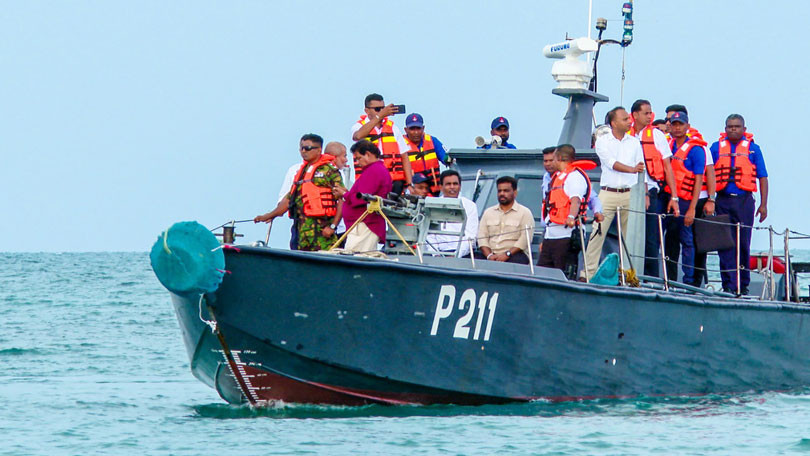
    ஜனாதிபதி அநுர கச்சதீவுக்கு விஜயம்

    கச்சதீவுக்கு விஜயம் செய்த ஜனாதிபதி | President Visits Katchatheevu

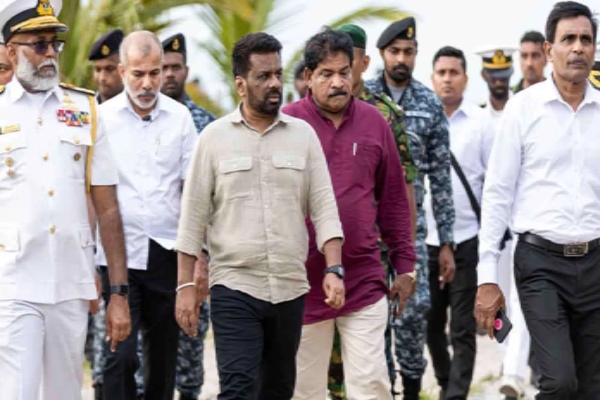
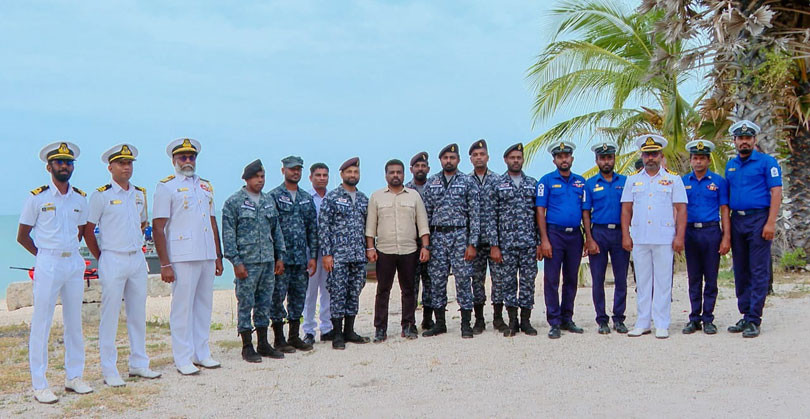
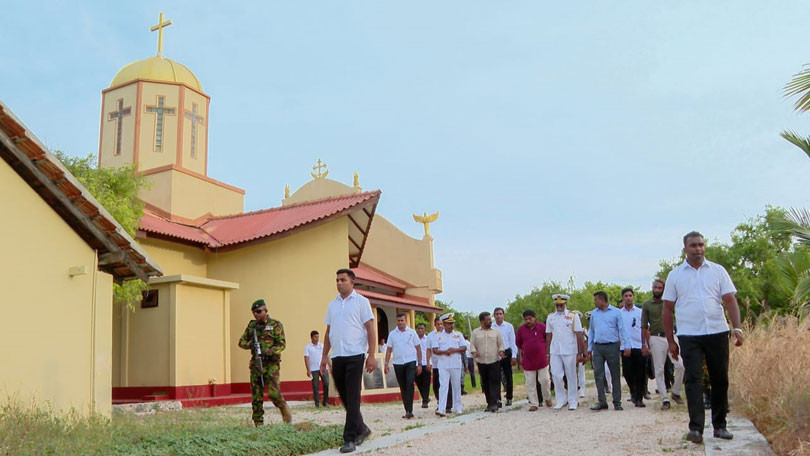
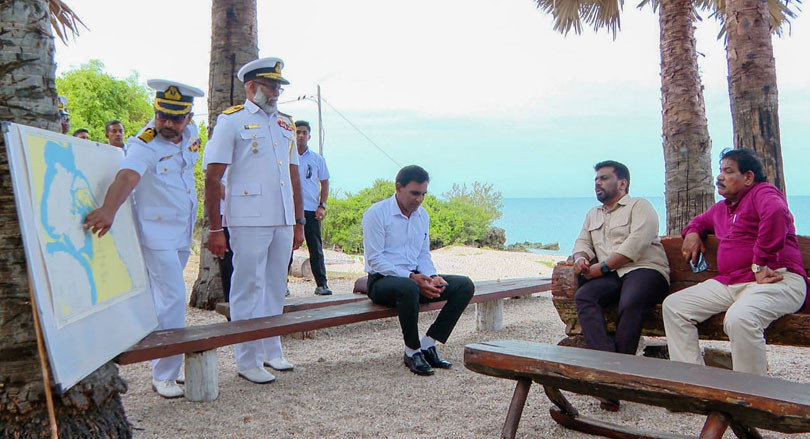
     IBC-யாழ்ப்பாணத்தில் இன்று (01) பல அபிவிருத்தித் திட்டங்களை ஆரம்பித்து வைத்த ஜனாதிபதி அநுர குமார திசாநாயக்க இன்று பிற்பகல் யாழ். ஊர்காவற்றுறை இறங்குதுறையில் இருந்து கச்சதீவுக்கு விஜயத்தை மேற்கொண்டார்.

    ஜனாதிபதி இதன்போது கச்சதீவில் கண்காணிப்பை முன்னெடுத்திருந்தமை குறிப்பிடத்தக்கது.

    ஜனாதிபதியின் விஜயத்தில் பங்கேற்றோர்

      கடற்றொழில், நீரியல் மற்றும் கடல் வளங்கள் அமைச்சர் ராமலிங்கம் சந்திரசேகரன், பொதுமக்கள் மற்றும் நாடாளுமன்ற விவகார அமைச்சர் ஆனந்த விஜேபால மற்றும் வடக்கு கடற்படைத் தளபதி ரியர் அட்மிரல் புத்திக லியனகே உள்ளிட்டோரும் ஜனாதிபதியின் விஜயத்தில் பங்கேற்றிருந்தனர்.


    Gallery

    Sri Lanka’s President visits Katchatheevu Island after Indian actor’s remarks

    Gallery

    Tuesday September 2, 2025 

    ECONOMYNEXT – Sri Lanka’s President Anura Dissanayake has visited Katchatheevu Island, while on a visit to Jaffna to open a fishing harbour, cricket stadium and a Immigration and Emigration regional office.

    The visit follows remarks made by C Joseph Vijay, an Indian actor-turned-regional politician from Tamil Nadu, on reclaiming the island.

    Gallery
    “The government is committed to safeguarding the surrounding seas, islands and landmass of the country for the benefit of the people and will not allow any external force to exert influence in this regard,” Dissanayake was quoted as saying by his media division.

    The visit made headlines in Indian media.

    Gallery

    On August 21, Vijay said India needed to “retrieve Katchatheevu from Sri Lanka” at a political rally in Madurai.

    Katchatheevu Island, famous for its annual St Anthony’s festival, was ceded to Sri Lanka by India without consulting the Tamil Nadu state government.

    Since then, Indian fishermen have only been allowed to use the island for resting, drying their nets and for the annual church feast, but not for fishing.

    Sri Lanka and India signed four Maritime Boundary Agreements between 1974 and 1976 that defined a mutual understanding of the international maritime boundary between the two countries. (Colombo/Sep2/2025)

    Tuesday, September 02, 2025

    அருணாசலமும் அனைத்து இலங்கையர் தேசியவாதமும்

    அருணாசலமும் அனைத்து இலங்கையர் தேசியவாதமும்

    September 1, 2025 | Ezhuna

    வேந்தர் இல்லா வையகம்: இருபதாம் நூற்றாண்டு யாழ்ப்பாணம்‘ எனும் இத்தொடர் ‘ஒருவர் வாழ்க்கை ஊடாகத் தென்படும் காட்சிகள்‘ பற்றியதாகும். இத்தொடர் கட்டுரைகள் என் வாழ்க்கையில் கண்டகேட்டகேள்விப்பட்டவாசித்தறிந்த நிகழ்ச்சிகள் ஏற்படுத்திய மனப்பதிவுகள் பற்றியும் அவற்றால் என் மனதில் உருவாகிய கருத்துகள் பற்றியும் கூறுபவை. இவை வரலாற்று ஆய்வுக் கட்டுரைகள் அல்ல. இவை யாழ்ப்பாணத்தைப் பற்றியவை; 20 ஆம் நூற்றாண்டை மையமாகக் கொண்டவை. வரலாற்றை எழுதுவோர்க்குச் சான்றுகளைக் கொடுத்துதவும் சுவடிகள் போன்று இத்தகைய நினைவுப் பதிவுகளும் பயன்படும் என்ற நோக்கத்துடன் இவை எழுதப்படுகின்றன.

    கார்த்திகேசு இந்திரபாலா– 


    மிதவாதத் தலைவர்கள்

    பிரித்தானிய ஏகாதிபத்தியம் 19 ஆம் நூற்றாண்டு முடிவடைந்தபோது தென் ஆசியாவில் உறுதிபெற்ற நிலையில் இருந்தது. மேல்நாட்டார் ஆட்சியை எதிர்ப்பவர்களாகக் குறிப்பிடத்தக்க தலைவர்கள் இருக்கவில்லை. இலங்கையில், ஆங்கிலக் கல்வி பெற்ற மத்திய வகுப்பினரும், காலனி ஆட்சியில் தோன்றிய புதிய வாய்ப்புகளை இறுகப்பற்றி மேலுக்கு வந்தோரும், புதிய ஆட்சி அறிமுகப்படுத்திய சட்டமுறைகளுக்கு அமைய உருவாகிய ஒழுங்குள்ள அமைப்புக்குள் அமைதியுடன் வாழ்ந்த பொதுமக்களும் பிரித்தானியர் ஆட்சியை வெறுக்காது ஏற்றுக்கொண்ட நிலை காணப்பட்டது எனலாம். சுருங்கக்கூறின், இங்கு பிரித்தானிய அமைதி (Pax Britannica) நிலவியது.

    இந்தப் பின்புலத்திலேதான் ஐரோப்பாவில் இருந்து பரவிய தேசியவாதக் கருத்துகள் ஆங்கிலக் கல்வி பெற்ற மத்திய வகுப்பினரிடையே தேசிய உணர்வுகளைத் தூண்டின. இவர்களுள் சமூகத்தில் செல்வாக்குப் பெற்ற சிலர் நாட்டின் அரசியலிலும் அக்கறை கொள்ளத் தொடங்கினர். இவர்கள் பிரித்தானியர் ஆட்சியை எதிர்த்தவர்கள் அல்லர்; மாறாக, அதை ஏற்றுக்கொண்டவர்கள். இவர்களுள் பலர் ‘விடுதலைக்குப் போராடியவர்கள்’ என்று இன்று வர்ணிக்கப்படுவர். ஆனால், இவர்கள் விடுதலை நோக்கைக் கொண்டிருக்கவும் இல்லை, போராடியதும் இல்லை.

    இந்தியாவில் 19 ஆம் நூற்றாண்டின் பிற்பாதியில் சமூகத்தில் சீர்திருத்தங்களைப் புகுத்துவதற்கும் ஆட்சியாளர் கொள்கைகளை விமர்சிப்பதற்கும் அறிவுத்திறனாளர் (Intellectuals) செயற்படத் தொடங்கினர். இவர்களுள் ஒருவரான தாதாபாய் நவ்ரோஜி (Dadabhai Naoroji 1825 – 1917), சிறப்பாகக் குறிப்பிடத்தக்கவர். இந்தியாவின் செல்வத்தைப் பிரித்தானியா எடுத்துச் செல்வதை விமர்சித்து இந்தியத் தேசியவாத எழுச்சிக்கு வழிவகுப்பதில் இவர் பங்குகொண்டார். இவரும் இவரைப் போன்று தேசிய உணர்வுடன் செயற்பட்ட பிற அறிவுத்திறனாளர்களும் 1885 இல் இந்திய தேசியக் காங்கிரஸை (Indian National Congress) அமைத்தனர். இவர்களுக்கு முக்கிய நோக்கமாக இருந்தது இந்திய ஆட்சியில் கூடுதலான பங்கைப் பெறுவதே. இந்தியா பிரித்தானியர் ஆட்சியில் இருந்து விடுவிக்கப்பட வேண்டும் என்று எவரும் குரல் எழுப்பவில்லை.

    இருபதாம் நூற்றாண்டு பிறந்ததும் இந்திய விடுதலை பற்றிச் சிந்திப்போர் வெளிவந்தனர். ஆங்கிலக் கல்விபெற்ற அறிவுத்திறனாளரைக் கூடுதலாகக் கொண்டிருந்த வங்காளத்தில் 1902 இல் அநுஷீலன் ஸமிதி என்ற பெயருடன் தொடக்கப்பட்ட கழகம் இந்தியாவுக்கு முழுமையான தன்னாட்சி (பூர்ண ஸ்வராஜ்) வேண்டும் என்ற கோரிக்கையை முன்வைத்தது. பின்னர் பிரபல யோகியாகப் பெயர்பெறும் அரவிந்தர் (Aurobindo Ghose) இக்கழகத்தைச் சேர்ந்து அரசியல் அரங்கில் ஏறினார். இக்கழகத்தில் இருந்து 1906 இல் பிரிந்து சென்றோர் ஜுகாந்தர் (Jugantar) என்ற வேறொரு கழகத்தைத் தொடக்கி விடுதலைக்காக வன்முறையை ஆதரித்தனர்.

    இலங்கையிலும் 19 ஆம் நூற்றாண்டு முடிவடைந்த கட்டத்தில் அரசியல் விழிப்புணர்வுகள் வெளிப்பட்டன. இவற்றை எந்த வகையிலும் தேசியவாத உணர்வுகள் என்று கூறமுடியாது. இக்கட்டத்தில் சமூகத்தில் முக்கியத்துவம் பெற்றிருந்த எவராவது அந்நியர் ஆட்சியை எதிர்த்தோ, நாடு விடுதலை பெறவேண்டும் என்றோ குரல் எழுப்பவில்லை.

    தேசிய உணர்வுகள் தோன்றுவதற்கு வாய்ப்பளிக்காத வகையில் பிரித்தானியர் ஆட்சிமுறை இலங்கையரை இனக்குழு அடிப்படையில் பிரித்து, ஒவ்வொரு இனக்குழுவுக்கும் அந்தந்தக் குழுவைச் சேர்ந்தோரே பிரதிநிதியாக இருக்கும் வழக்கத்தை உருவாக்கியிருந்தனர். இந்த வழக்கத்தில் 19 ஆம் நூற்றாண்டு முழுவதும் ஊறிப்போய் இருந்த புதிய மத்திய வகுப்பினர் இலகுவில் இன அடிப்படையிலான தேசியத்துக்குள் இறங்கினர். இப்பின்புலத்தில் இலங்கையர் தேசியவாதம் என்ற விதை துளிர்த்து வேரூன்றுவதற்கு உகந்த சூழல் இருக்கவில்லை.

    எனினும், ஆங்கிலக் கல்வி கற்று வெளியுலக அரசியல் வளர்ச்சி பற்றிய அறிவைப் பெற்ற மத்திய வகுப்பினர் நாட்டின் ஆட்சியில் தமக்கும் கூடுதலான பங்கைப் பெற விரும்பினர். இதனைத் தேசியவாதமாகக் கொள்ளக்கூடாது. கேம்பிரிட்ஜ் பல்கலைக்கழகத்தில் இளைஞனாகப் படிக்கச் சென்ற பொன்னம்பலம் அருணாசலம் (1853-1924) அப்பொழுது நடைபெற்ற இத்தாலியத் தேசிய இயக்கத்தினால் கவரப்பட்டார். இங்கிலாந்தில் தான் கண்டதுபோல இலங்கையிலும் உரிமைகளும் நிர்வாகமும் இருக்கவேண்டும் என்று விரும்பினார். இலங்கைக்குத் திரும்பி வந்தபின் தன் பிரித்தானிய நண்பர்களுடன் இது பற்றிக் கலந்துரையாடினார்.

    அருணாசலத்தின் நெருங்கிய நண்பர்களுள் ஒருவர் வில்லியம் டிக்பி (William Digby 1849 – 1904). இவர் கொழும்பில் இருந்து வெளிவந்த Ceylon Observer செய்தித்தாளின் துணைப் பதிப்பாசிரியராகப் பணிபுரிந்து, பின்னர் Madras Times இன் ஆசிரியராகச் சென்னைக்குச் சென்றார். அருணாசலத்துடன் இலங்கையின் நிலை பற்றிக் கலந்துரையாடிய டிக்பி இலங்கைக்குத் தன்னாட்சி நடத்தக்கூடிய தகைமை இருப்பதாக எண்ணி, 1877 இல் ‘An Oriental Colony Ripe for Self-government’ என்ற ஒரு கட்டுரையை Calcutta Review இல் வெளியிட்டார். இதுவே இலங்கைக்குச் சுயாட்சி தேவை என்பது தொடர்பாக எழுப்பப்பட்ட முதலாவது குரல் எனலாம்.

    அக்குரலைக் கேட்ட இலங்கையர் எவரும் அது பற்றிச் சிந்தித்துச் செயலாற்ற முன்வரவில்லை. அருணாசலமும் தன் அரச வேலையில் இருந்து ஓய்வு பெறும்வரை இது தொடர்பாக முயற்சிகள் எடுக்கவில்லை. இதேகாலத்தில் இந்தியாவில் தேசிய இயக்கம் உக்கிரமத்துடன் வளர்ந்து செல்லத் தொடங்கியது. இதனை இலங்கை மத்திய வகுப்பினர் அறிந்திருந்தனர். தன் ஆங்கிலேய நண்பர் ஒருவருக்கு அருணாசலம் 1898 இல் எழுதிய கடிதத்தில், ஆங்கிலேய அரசு ‘திலகர் போன்ற தேசபக்தர்களுக்குக் கொடூரம் இழைப்பது’ (“…cruel treatment of patriots like Tilak”) பற்றி எழுதியிருந்தார். அவரைப் போன்று இலங்கையில் பிற மத்திய வகுப்பினரும் இந்தியாவில் நடந்துகொண்டிருந்த தேசிய இயக்கம் பற்றி நன்கு அறிந்திருப்பர். ஆனால் அதன் எதிரொலி இலங்கையில் கேட்கப்படவில்லை. அரசியல் முன்னேற்றத்துக்கான செயற்பாடுகள் தொடர்பாக இலங்கையும் இந்தியாவும் தொடக்கத்தில் இருந்தே வெவ்வேறு வழிகளில் பயணித்தன.

    முதல் உலகப் போரின் பின்

    முதல் உலகப் போர் 1918 இல் முடிவடைந்தபோது தோல்வியுற்ற பேரரசுகளில் ஒடுக்கப்பட்டிருந்த இனங்களும் நாடுகளும் தேசியவாத எழுச்சிக்கு இலக்காகின. அவ்வேளையில் அமெரிக்க ஜனாதிபதி தேசிய சுயநிர்ணயக் கோட்பாட்டை ஊக்குவித்தார். இதன் விளைவாக ஐரோப்பாவிலும் மேற்கு ஆசியாவிலும் புதிய தேசிய அமைப்புகள் தோன்றின. இந்த நிகழ்ச்சிகள் ஆசியாவிலும் செல்வாக்குச் செலுத்தின எனலாம்.

    இலங்கையின் அரசியலைப் பொறுத்த மட்டில் இக்கட்டத்தில் முதல் தடவையாகத் தேசியவாதம் என்ற சொல் பயன்பாட்டுக்கு வருவதைக் காணலாம். எனினும் இதேகாலத்தில் இந்தியாவில் எழுச்சி பெற்றிருந்தது போன்ற தேசிய இயக்கம் இலங்கையில் காணப்படவில்லை. பின்னரும் இருக்கவில்லை. அரசியல் சீர்திருத்தங்களைக் கோருவதற்காக 1917 இல் Ceylon National Association என்ற ஒரு கழகத்தைக் கூட்டியபோதும், 1919 இல் Ceylon National Congress என்ற கட்சியை அருணாசலம் அமைக்க முயன்ற போதும், ‘National’  என்ற சொல்லை விரும்பாதவர்களும், ‘Congress’ என்ற பெயரை வைப்பதை இட்டு அஞ்சியவர்களும் இருந்தனர்.

    இலங்கை அரசியலில் ஈடுபாடு கொண்டிருந்த மத்திய வகுப்பினர் முழுமையாகப் பிரித்தானியப் பேரரசுக்கு விசுவாசமாக இருந்தவர்கள். ஆட்சியாளர் தங்கள் மீது சந்தேகம் கொள்ளக்கூடிய வகையில் எந்த ஒரு நடவடிக்கையிலும் இவர்கள் பங்குகொள்ள விரும்பவில்லை. அரசியல் யாப்பில் சீர்திருத்தம் வேண்டும் என விரும்பியோர் நடத்திய கூட்டங்களுக்குப் பல மத்திய வகுப்பினரை வரவைப்பதே கடினமாக இருந்தது பற்றி அருணாசலம் குறிப்பிட்டுள்ளார். இவ்வேளையில் தேசிய எழுச்சி இருந்தமைக்கான அறிகுறிகளைக் காண்பதே அரிது.

    அருணாசலம் விதைத்தது

    இவ்வாறான ஒரு பின்புலத்தில் ஓர் இலட்சியவாதி இலங்கையர் அனைவரையும் ஒன்று கூட்டும் நோக்குடன், இந்திய அரசியல் இயக்கத்தை ஒத்த, தேசியவாதத்தை வளர்க்க விதை ஒன்றை விதைத்தார். அது துளிர்விட்டு எழுவதற்குக்கூட மண்ணும் பசளையும் உகந்ததாக இருக்கவில்லை. மனம் உடைந்த இலட்சியவாதி தன் முயற்சியைக் கைவிட்டார். அந்த இலட்சியவாதி அருணாசலம் ஆவார். நாட்டில் ஒருபோதும் உண்மையான இலங்கையர் தேசியவாதம் (Ceylonese Nationalism) பல்வேறு இனங்களையும் உள்ளடக்கியதாக எழவே இல்லை.

    தேர்தல் மூலம் சட்ட சபைக்கு உறுப்பினரை அனுப்பும் முறை அறிமுகப்படுத்தும் வரை யாழ்ப்பாணத்தில் அரசியல் செயற்பாடுகளுக்கு வாய்ப்பு இருக்கவில்லை. பிரித்தானிய ஆளுநரே 1920 வரை ஒவ்வொரு இனத்தின் சார்பில் சட்டசபையில் பிரதிநிதியாக இருப்பவரை நியமித்தார். சில வேளைகளில் ஒரு பிரமுகர் சார்பில் மக்கள் கருத்தை (Public Opinion) ஆளுநருக்குத் தெரிவிப்பதற்காகக் கற்றோரை மட்டும் கொண்ட அரசியல் கூட்டங்கள் நடைபெற்றிருக்கலாம். அப்படியான ஒரு கூட்டத்தில் பொன்னம்பலம் இராமநாதன் சார்பில் ஆறுமுக நாவலர் பேசியிருந்தார்.

    ஆளுநர் மனிங் (Governor Manning) 1920 இல் ஏற்படுத்திய சீர்திருத்தங்களுக்கு அமைய முதல்முறையாகப் பிரதேச அடிப்படையிலான தேர்தல் அறிமுகப்படுத்தப்பட்டது. இவ்வேளை குறுகிய எல்லைகளுக்குள் இயங்கும் கழகங்கள் அரசியல் செயற்பாடுகளில் கவனம் செலுத்தத் தொடங்கின. 

    இவற்றுள் ஒன்று யாழ்ப்பாணத்தை மையமாகக் கொண்டு எழுந்த Jaffna Association. இது இலங்கைத் தமிழர் சார்பாக இயங்கிய கழகம் எனலாம். இதைப் போன்று கண்டிச் சிங்களவர் (Kandyan Sinhalese) சார்பாகக் Kandyan National Assembly என்பது அமைக்கப்பட்டது. இக்காலகட்டத்தில் பழைய கண்டி அரசின் எல்லைகளுக்குள் வாழ்ந்த சிங்கள மக்களைக் கண்டிச் சிங்களவர் என வேறாகப் பிரித்திருந்தனர். இம்மக்களுடைய தலைவர்களாகத் தம்மைக் கருதிய பாரம்பரியக் கண்டியர் சமூகத்தின் உயர் குடும்பங்களைச் சேர்ந்தவர்கள் கண்டிச் சிங்களவர் ஒரு வேறான சிறுபான்மையினர் எனக் கோரி நின்றனர்.

    இஸ்லாமிய மதத்தைத் தழுவியோராய் நாட்டின் பல்வேறு பாகங்களில் வாழ்ந்த முஸ்லிம் மக்களிடையிலும் இன விழிப்புணர்ச்சியை எழுப்பும் நோக்குடன் சில ஆங்கிலம் கற்ற தலைவர்கள் செயற்படத் தொடங்கினர். சட்ட சபையில் 1885 இல் பொன்னம்பலம் இராமநாதன், இலங்கை முஸ்லிம்கள் (Ceylon Moors) தமிழ் இனத்தவர் என்று கூறியமை இவர்கள் முயற்சிகளுக்கு வழிவகுத்த தூண்டு சக்திகளுள் ஒன்றாக அமைந்தது எனலாம்.

    முஸ்லிம் சமூகத்தினரை ஒருங்கிணைத்து வேறான ஓர் இனக்குழுவாக அறிவிப்பதற்குப் பெரிதும் முயன்ற தலைவர்களுள் இருவர் முக்கியமானவர்கள். ஒருவர் முகம்மது காசிம் சித்தி லெப்பை (M.C. Siddi Lebbe 1838-1898). மற்றவர் அப்துல் அஸீஸ் (I.L.M. Abdul Azeez 1867-1915). இலங்கை முஸ்லிம்கள் அராபிய வணிகர்களின் வழித்தோன்றல்கள் என வாதாடிய சித்தி லெப்பை 1882 இல் முஸ்லிம் நேசன் என்ற ஒரு வார இதழை வெளியிடத் தொடங்கி, இதன்மூலம் முஸ்லிம் மக்களிடையே விழிப்புணர்ச்சியை ஏற்படுத்தினார். அப்துல் அஸீஸ் 1900 இல் Moors Union என்ற இஸ்லாமியர் கழகத்தை அமைத்து, Muslim Guardian என்ற இதழையும் வெளியிடத் தொடங்கினார். பின்னர், 1910 இல், Young Men’s Muslim Association என்ற இளைஞர் கழகம் அமைக்கப்படுவதையும், இதைத் தொடர்ந்து 1913 இல் அனைத்து இலங்கை முஸ்லிம்களையும் ஒன்று கூட்டும் நோக்குடன் All Ceylon Moors’ Association தொடக்கப்படுவதையும் காணலாம்.


    மாறும் அரசியல் சூழலில் தம் இனக்குழுவையும் ஒற்றுமைப்படுத்தி அதன் நலன்களைப் பேணுவதற்கு ஐரோப்பியர் வழிவந்த குடியினரும் எண்ணத் தொடங்கினர். 

    ஐரோப்பியர் இலங்கையில் குடியமரத் தொடங்கியது 16 ஆம் நூற்றாண்டில் ஆகும். முதலில் வந்த ஐரோப்பியராகிய போர்த்துக்கீசர் தங்கள் நாட்டுப் பெண்களை ஆசியாவுக்குக் கூட்டிவரவில்லை. போர்த்துக்கீசப் போராளிகளும் பிறரும் இலங்கைப் பெண்களை மணம் முடித்துக் குடும்பம் நடத்தத் தயங்கவில்லை. ஐரோப்பிய ஏகாதிபத்தியம் பரவிய முதல் கட்டத்தில், போர்த்துக்கீசரைப் பொறுத்தமட்டில், நிற வேற்றுமை முக்கியத்துவம் பெறவில்லை; இனவாதம் பின்போல் எழவில்லை. மாறாக, போர்த்துக்கீச மன்னன் தன் அதிகாரிகள் ஆண்ட ஆசிய, ஆபிரிக்க, தென் அமெரிக்க இடங்களில் ஆளப்பட்ட மக்களுடன் இனக்கலப்பை (Miscegenation) ஊக்குவித்து, போர்த்துக்கீசப் பண்பாட்டுக்குள் ஆளப்பட்டோரைச் சேர்த்துக்கொள்ளும் திட்டத்தை ஆதரித்தான். இந்த வகையில் தொடக்ககாலப் போர்த்துக்கீச ஏகாதிபத்தியம் பிற ஐரோப்பிய ஆட்சிமுறையில் இருந்து வேறுபடுகின்றது.

    இத்தகைய கொள்கையின் பலனாகத் தனித்துவமான அடையாளம் உள்ள போர்த்துக்கீச இனக்குழு ஒன்று இலங்கையில் உருவாகவில்லை எனலாம். போர்த்துக்கீச மொழி பேசிய, கத்தோலிக்க மதத்தைத் தழுவிய இனக்குழு ஒன்று ஆங்கிலேயர் ஆட்சிக்காலம் வரை இருந்தது. யாழ்ப்பாணத்தில் 19 ஆம் நூற்றாண்டின் தொடக்கத்தில் இந்த இனக்குழுவைச் சேர்ந்தோர் பலர் இருந்தனர் என அமெரிக்க மிஷனரிமார் எழுதிவைத்துள்ளனர். இத்தகைய குழு ஒன்று 20 ஆம் நூற்றாண்டில் புத்தளத்தில் (சிறாம்பியடி என்னும் இடத்தில்) இருந்தமை பற்றி அறிகின்றோம். இக்குழு போர்த்துக்கீசர் கூட்டிவந்த ஆபிரிக்கரின் வழித்தோன்றல்களையும் கொண்டிருந்தது.

    போர்த்துக்கீசருக்குப் பின்வந்த ஒல்லாந்தர் கடைப்பிடித்த கொள்கை நிறவேற்றுமை, இனவாதம் ஆகியவற்றால் பாதிக்கப்பட்டிருந்தது. நிர்வாகத்தில் பணிபுரிய வந்த ஒல்லாந்த இளைஞர்கள் மணம் முடிப்பதற்கு ஒல்லாந்தப் பெண்கள் தாய்நாட்டில் இருந்து வந்தனர். இனக்கலப்புக்கு இடம் அளிக்கப்படவில்லை. இதனால் ஒரு தனியான ஒல்லாந்த இனக்குழு இலங்கையில் உருவாகியது.

    இக்குழுவினர் தம்மை Dutch Burgher என அழைத்தனர். போர்த்துக்கீசருக்குப் போல இவர்களுக்கும் தமிழில் பறங்கியர் என்ற பெயர் பொது வழக்கில் உள்ளது. பிற இனக்குழுக்களைப் போன்று 20 ஆம் நூற்றாண்டின் தொடக்கத்தில் இவர்களும் தம் தனித்துவத்தைப் பேணி உரிமைகளைப் பெறுவதற்காக 1908 இல் Dutch Burgher Union என்ற கழகத்தை அமைத்தனர். இவர்களுடைய பிரதிநிதியாகச் சட்ட சபையில் 1833 இல் இருந்தே ஒருவர் நியமிக்கப்பட்டு வந்தமை கவனிக்கத்தக்கது.

    இவ்வாறாக, 1920 களில் அரசியல் சீர்திருத்தங்கள் தொடர்பான நடவடிக்கைகள் எடுக்கப்பட்ட வேளையில், இலங்கையில் ஒரு பல்லினச் சமூகம் காணப்பட்டது. பல்வகைப்பட்ட இனக்குழுக்கள் இருப்பது இலங்கை வரலாற்றுக்குப் புதியது அல்ல. வரலாற்றின் தொடக்ககாலத்தில் இத்தீவில் பல்வேறு இனக்குழுக்கள் இருந்தன.

    இப்படியான இனக்குழுக்கள் காலப்போக்கில் பண்பாட்டு மேலாதிக்கம் பெற்ற, முன்னேற்றமான இனக்குழுவின் செல்வாக்குக்கு உட்பட்டுத் தம் தனி அடையாளத்தை இழந்து அக்குழுவினுள் மறைந்துவிடுவது வரலாற்றின் போக்கு. இலங்கையில் 20 ஆம் நூற்றாண்டிலும் இதனைக் காணலாம். உலகின் வேறு பாகங்களிலும் இதுவே வரலாற்றின் போக்கு. நவீனகாலத் தேசியவாதம் இதற்குத் தடையாக இருக்கின்றது.

    இந்த வரலாற்றின் போக்குக்கு ஆங்கிலேயர் இலங்கையில் கையாண்ட கொள்கையும் தடையாக அமைந்தது. ஆங்கிலேயர் ஆட்சி தொடங்கியபோது நாட்டில் இரு மொழிகளைப் பேசுவோர் வாழ்வதைக் கண்டு, இவ்விரு மொழிக்குழுக்களின் விவகாரங்கள் தொடர்பாகத் தகவல் பெறவும் ஆலோசனை செய்யவும் மொழிபெயர்ப்புக் கடமைகளுக்கும் பாரம்பரிய உயர் குழாத்தைச் சேர்ந்த சிங்கள முதலியார் ஒருவரையும் தமிழ் முதலியார் ஒருவரையும் ஆளுநர் நியமித்தார். பின்னர், 1833 இல் ஆளுநருக்கு உதவியாக ஒரு சட்டசபை அமைக்கப்பட்டபோது ஒரு சிங்களவர், ஒரு தமிழர், ஒல்லாந்தர் வழிவந்த Burgher ஒருவர் ஆகியோர் உறுப்பினர்களாக நியமனம் பெற்றனர். இவ்வாறு நாட்டின் இனக்குழுக்களை வேறாகப் பிரித்து ஆட்சி நடத்திய பிரித்தானியர், இத்தகைய இன வேறுபாட்டு உணர்ச்சிகள் மேலும் வளரத் தொடங்க, 1889 இல் ஒரு முஸ்லிம் உறுப்பினருடன், ஒரு சிங்கள உறுப்பினருக்குப் பதிலாக, கண்டிச் சிங்களவருக்கு ஒருவரும் கீழ்நாட்டுச் சிங்களவருக்கு ஒருவரும் என உறுப்பினர்களை நியமித்தனர்.

    இவ்வாறு ஆங்கிலேயர் கடைப்பிடித்த கொள்கை எல்லா இனக்குழுக்களும் இலங்கையராக ஒன்று சேர்ந்து செயற்படுவதற்குச் சாதகமாக இருக்கவில்லை. இப்பின்புலத்தில், அரசியல் சீர்திருத்தங்கள் எதிர்பார்க்கப்பட்ட 20 ஆம் நூற்றாண்டின் தொடக்க தசாப்தங்களில், ஒவ்வொரு இனக்குழுவும் தனித்தனியே கழகம் அமைத்து அரசியல் சலுகைகளைப் பெற முயன்றதில் வியப்பில்லை.

    இத்தகைய சூழ்நிலையில், 1919 இல், இலங்கைத் தேசிய காங்கிரஸை அருணாசலம் தொடக்கிவைத்து, அனைத்து இலங்கையரையும் இணைத்துச் செயல்படும் தேசியவாதத்தை வளர்க்க முயன்றார். அவர் நட்ட இலங்கையர் தேசியவாதம் என்ற விதை துளிர்விட்டுச் செழிப்பாக வளர்வதற்கு வாய்ப்பே இருக்கவில்லை.

    முதலாவதாக, அருணாசலத்தின் முயற்சி மிகவும் காலதாமதமாகி வந்தது. இலங்கையர் சமூகத்தின் ஒவ்வொரு இனக்குழுவும் 20 ஆம் நூற்றாண்டு உதயமாகிய வேளை தொட்டு, தன்தன் நலனைப் பேணுவதில் கவனம் செலுத்தத் தொடங்கிய பின்னரே ‘நாம் எல்லோரும் இலங்கையர்’ என்ற எண்ணக்கரு முன்வைக்கப்பட்டது. இதனை எந்த ஒரு குழுவும் ஆவலுடன் தழுவிக்கொள்ள முன்வந்ததாகத் தெரியவில்லை.

    இரண்டாவதாக, இந்தியாவில் அந்நியர் ஆட்சிக்கு எதிராக மத்திய வகுப்புத் தலைவர்கள் நடத்திக்கொண்டிருந்த இயக்கத்தை ஒத்த வகையில் இலங்கையிலும் தேசிய இயக்கம் நடத்த மத்திய வகுப்பின் தலைவர்கள் தயாராக இருக்கவில்லை. ஆட்சியாளரைப் பகைத்துக் கொள்ளாமல், கூடிய சலுகைகளைத் தமக்குப் பெறுவதே இவர்கள் நோக்கமாக அமைந்தது.

    மூன்றாவதாக, ஒரு தேசிய இயக்கத்துக்கு இன்றியமையாதவாறு தேவைப்படும் கோட்பாடாகிய ‘சமத்துவம்’ இலங்கையர் தேசியவாதத்தில் இருக்கவில்லை. சாதி வேறுபாடுகள், வடக்கிலும் தெற்கிலும், இறுக்கமாகக் கடைப்பிடிக்கப்பட்ட காலம் அது. அரசியல் சீர்திருத்தம் கோரிய மத்திய வகுப்பினர் சமூகத்தின் கீழ்மட்டத்தில் இருந்தோரையும் தழுவித் தேசிய இயக்கம் நடத்தத் தயாராக இருந்தனர் என்று கூறமுடியாது. இதேவேளையில் இந்தியாவில் காந்தி, சுப்பிரமணிய பாரதியார் போன்றோர் சாதிப் பாகுபாட்டை வன்மையாகக் கண்டித்து, சமூகச் சமத்துவத்தை வலியுறுத்தி இயக்கம் நடத்தினர்.

    நாலாவதாக, ஒரு தேசியவாத இயக்கத்துக்குத் தேவைப்பட்ட ‘Leader’ ஒருவர் இருக்கவில்லை. அருணாசலம் காங்கிரஸின் தலைவராக இருந்தாலும் தேசிய இயக்கத்தின் ‘Leader’ ஆகச் செயலாற்றத் தவறினார் என்றே சொல்லவேண்டும்.

    ஆங்கிலச் சொல்லாகிய ‘Leader’ என்பதற்கு அதன் உட்பொருளைக் கொண்ட பொருத்தமான தமிழ்ச் சொல் ஒன்றை என்னால் பெற முடியவில்லை. பொதுவாக இதற்குத் ‘தலைவர்’ என்ற சொல்லைப் பயன்படுத்துவர். இது பொருத்தம் அற்றது. ‘Leader’ என்பது ‘Lead’ என்ற வினைச்சொல்லில் இருந்து பெறப்படுவது. ‘முன்நின்று வழிகாட்டிச் செல்லவேண்டிய இடத்துக்கு அழைத்துச் செல்பவர்’ என்ற பொருளில் இச்சொல் வரும்.  

    இதேகாலத்தில் இந்திய நிலைமை வேறாக இருந்தது. அங்கு பல மத்திய வகுப்பினர் தம் தொழிலையும் கைவிட்டு, பாரதம் என்ற ஒரு நாட்டைத் தம் நாடாக மக்களை ஏற்கவைத்து, அந்த நாட்டின் விடுதலைக்காக அவர்களைச் சமூக வேறுபாடுகள் இன்றி ஒன்றுபடுத்தி, ‘ஸ்வராஜ்ய’ என்ற இலக்கை நோக்கி வழிநடத்திக் கூட்டிச்செல்ல முன்வந்திருந்தனர். அவர்களுள் முதன்மையானவர் சாதாரண மக்களுடன் ஒன்று சேரும் வகையில் மத்திய வகுப்பினர் உடையைக் களைந்து எறிந்துவிட்டு, நாட்டுப்புற வேளாண்மகன் உடையை உடுத்து, அனைவரையும் கைராட்டினம் கொண்டு செய்யப்பட்ட கதராடையை உடுக்க ஊக்குவித்தார். இலங்கையில் மத்திய வகுப்புத் தலைவர்கள் பெரும்பாலும் ஆட்சியாளரைப் போன்று ஐரோப்பிய உடை உடுத்து மேலைத்தேசப் பண்பாட்டில் மூழ்கி இருந்தனர். அருணாசலம் தென்னிந்தியாவில் இருந்து பெறப்பட்ட உடையை (அது யாழ்ப்பாணத்தவர் உடை அல்ல) அணிந்து தன்னைப் பிற இலங்கையரில் இருந்து வேறுபடுத்தி நின்றார். பிற தலைவர்களுடன் பிரச்சினை ஒன்று தோன்றியதும், தேசிய காங்கிரஸை விட்டு விலகிச் சென்றுவிட்டார்.

    அருணாசலம் விதைத்த இலங்கையர் தேசியவாதம் துளிர்விட்டு எழுமுன் மறைந்துவிட்டது.


    About the Author

    கார்த்திகேசு இந்திரபாலா

    பேராசிரியர் கார்த்திகேசு இந்திரபாலா இலங்கையின் கல்வெட்டியலாளர், வரலாற்றாய்வாளர், மொழியியலாளர் ஆவார். இவர் இலங்கைத் தமிழரின் வரலாறு தொடர்பான நூல்களை தொல்லியல் சான்றுகளுடன் நிறுவியவரும் ஆவார். யாழ்ப்பாணக் கல்லூரியில் தனது ஆரம்பக் கல்வியைப் பெற்ற இவர் தமிழ் மட்டுமன்றி ஆங்கிலம், யேர்மன், சிங்களம், பாளி, சமசுகிருதம், யப்பானியம் என பன்மொழி கற்றறிந்தவராவார். ஆதி இலங்கையில் இந்துமதம், இலங்கையில் திராவிடக் கட்டிடக்கலை, யாழ்ப்பாண இராச்சியத்தின் தோற்றமும் வளர்ச்சியும், The Evolution of an Ethnic Identity, இலங்கையில் தமிழர் ஆகியன இவரின் குறிப்பிடத்தக்க நூல்களாகும்.

    நன்றி: எழுநா

    காலநிலை அறிவிப்பு-பேராசிரியர் நா.பிரதீபராஜா

    https://www.facebook.com/Piratheeparajah 03.12.2025 புதன்கிழமை பிற்பகல் 3.30 மணி விழிப்பூட்டும் முன்னறிவிப்பு இன்று வடக்கு மற்றும் கிழக்கு ம...